Documenting Wildfire Recovery
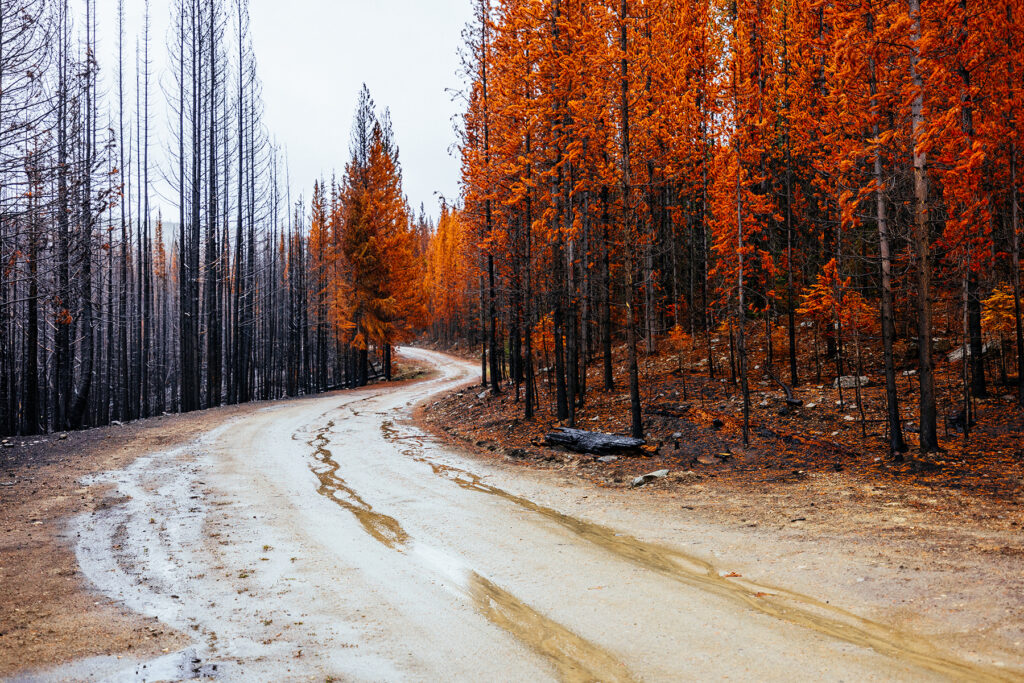
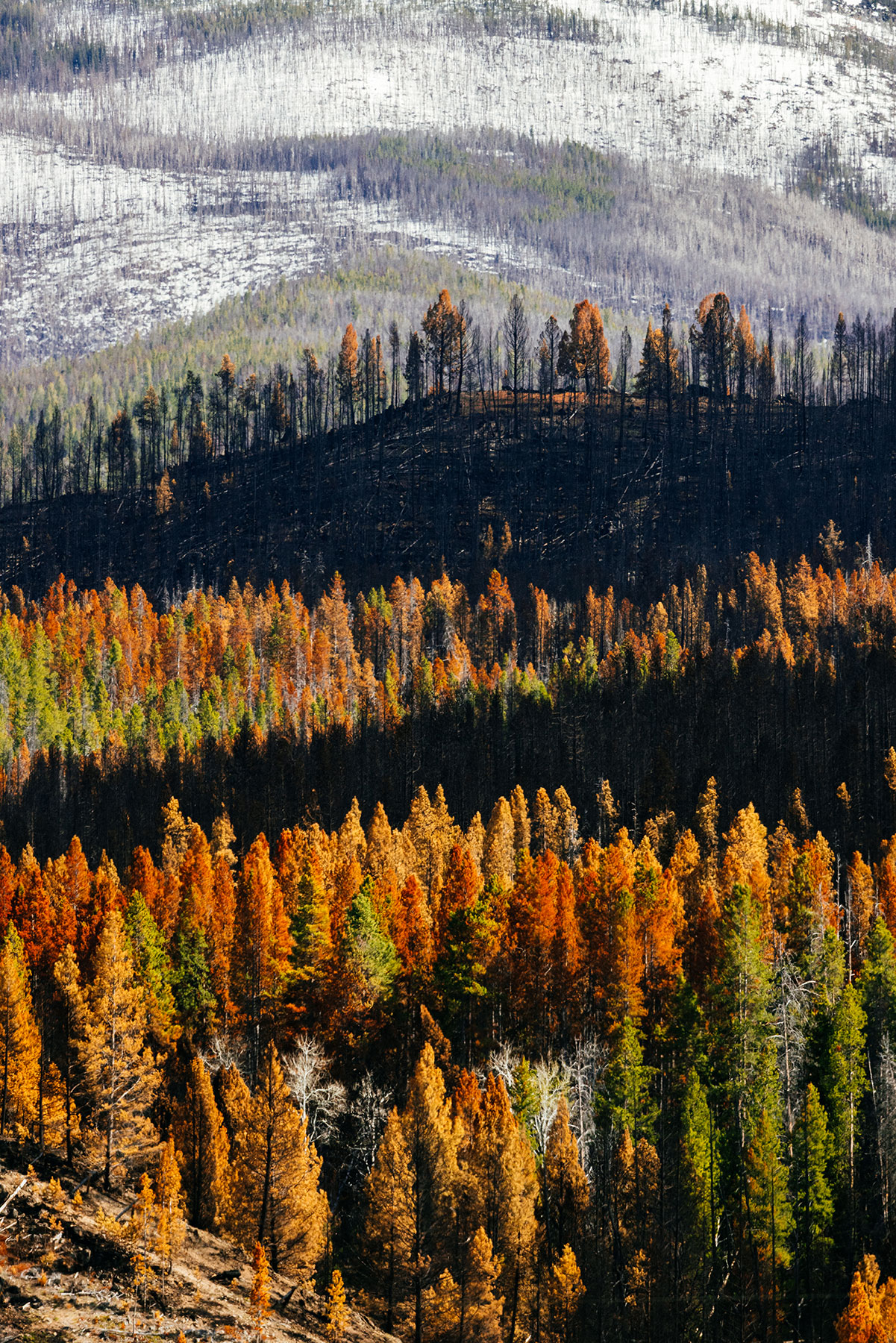
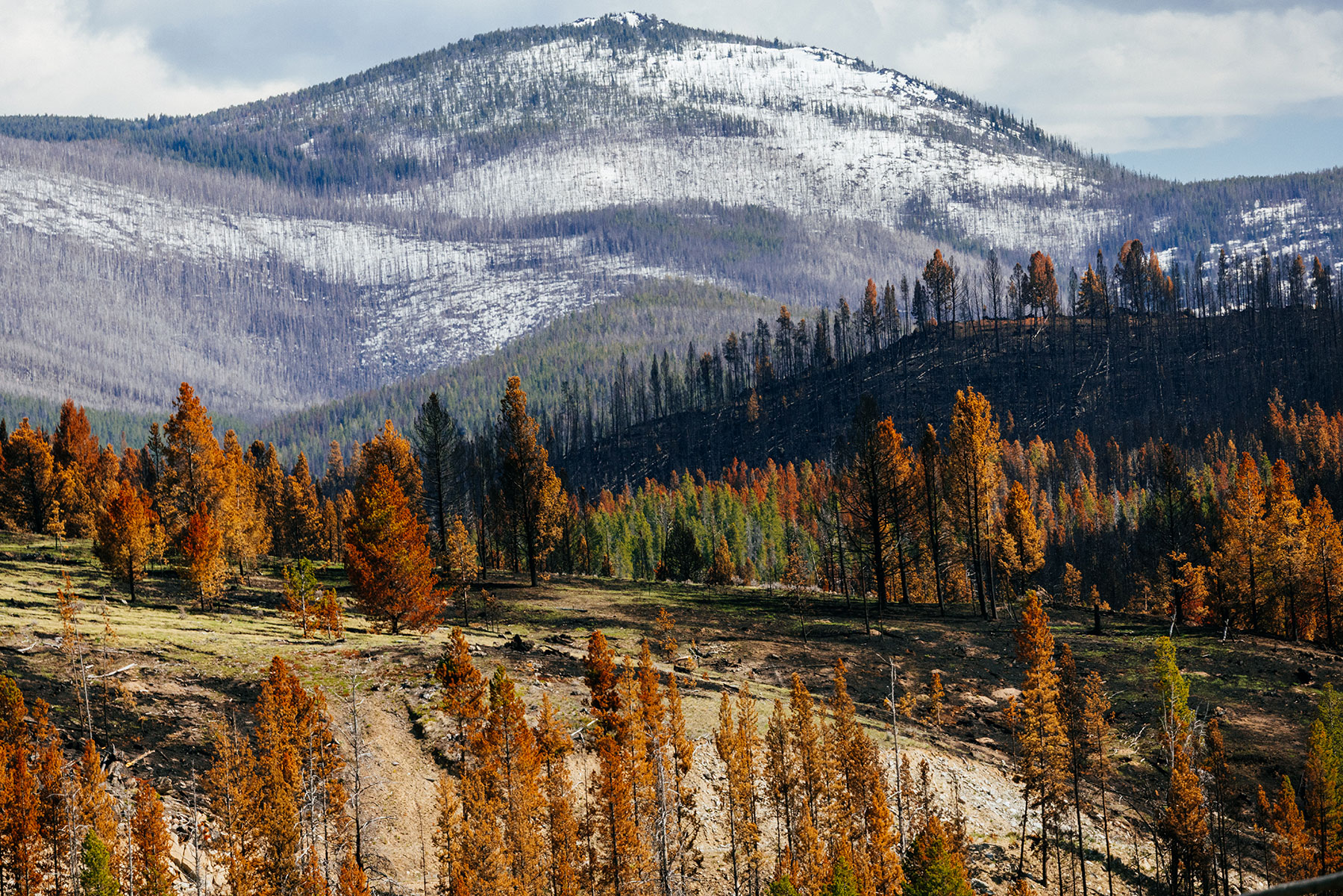
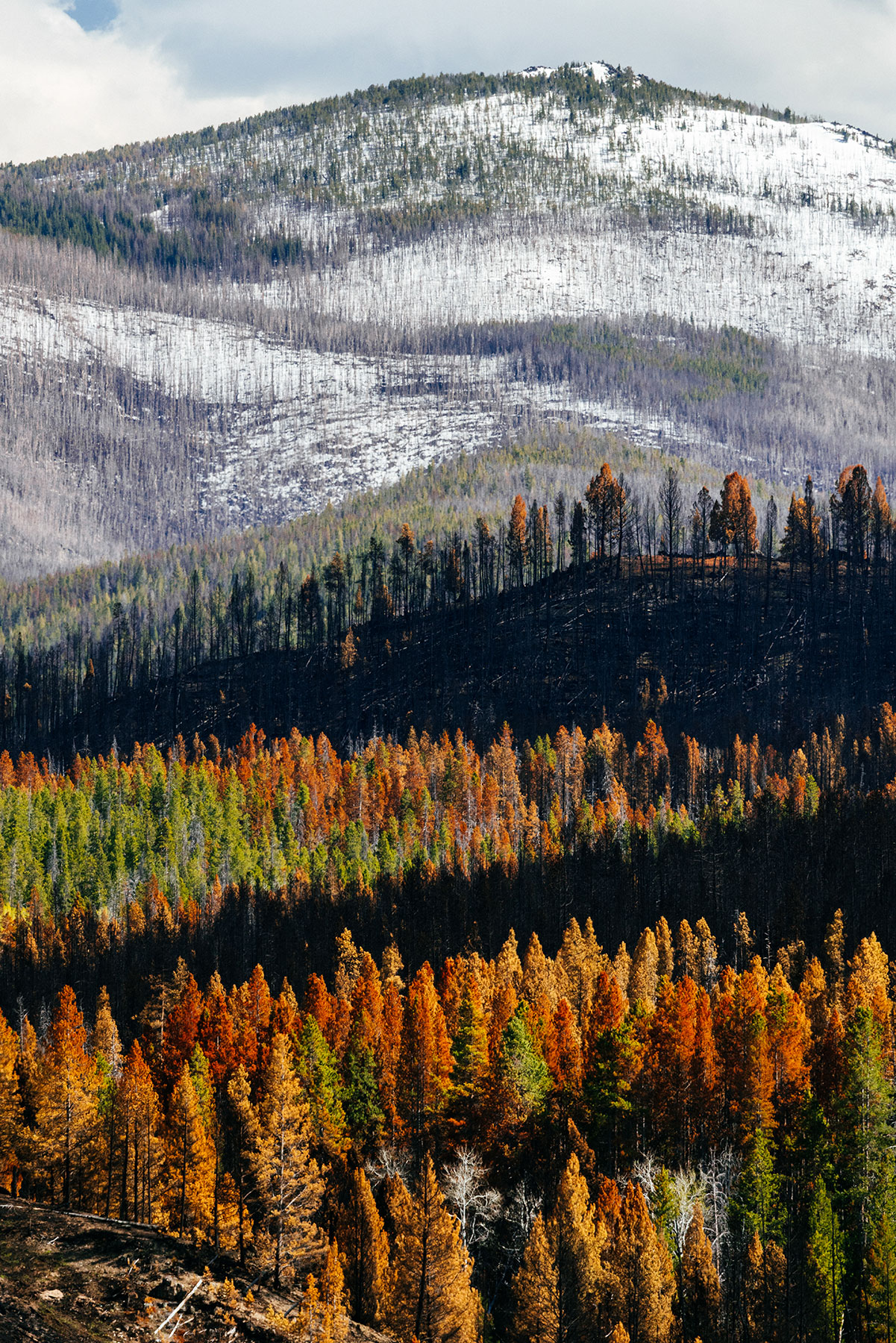
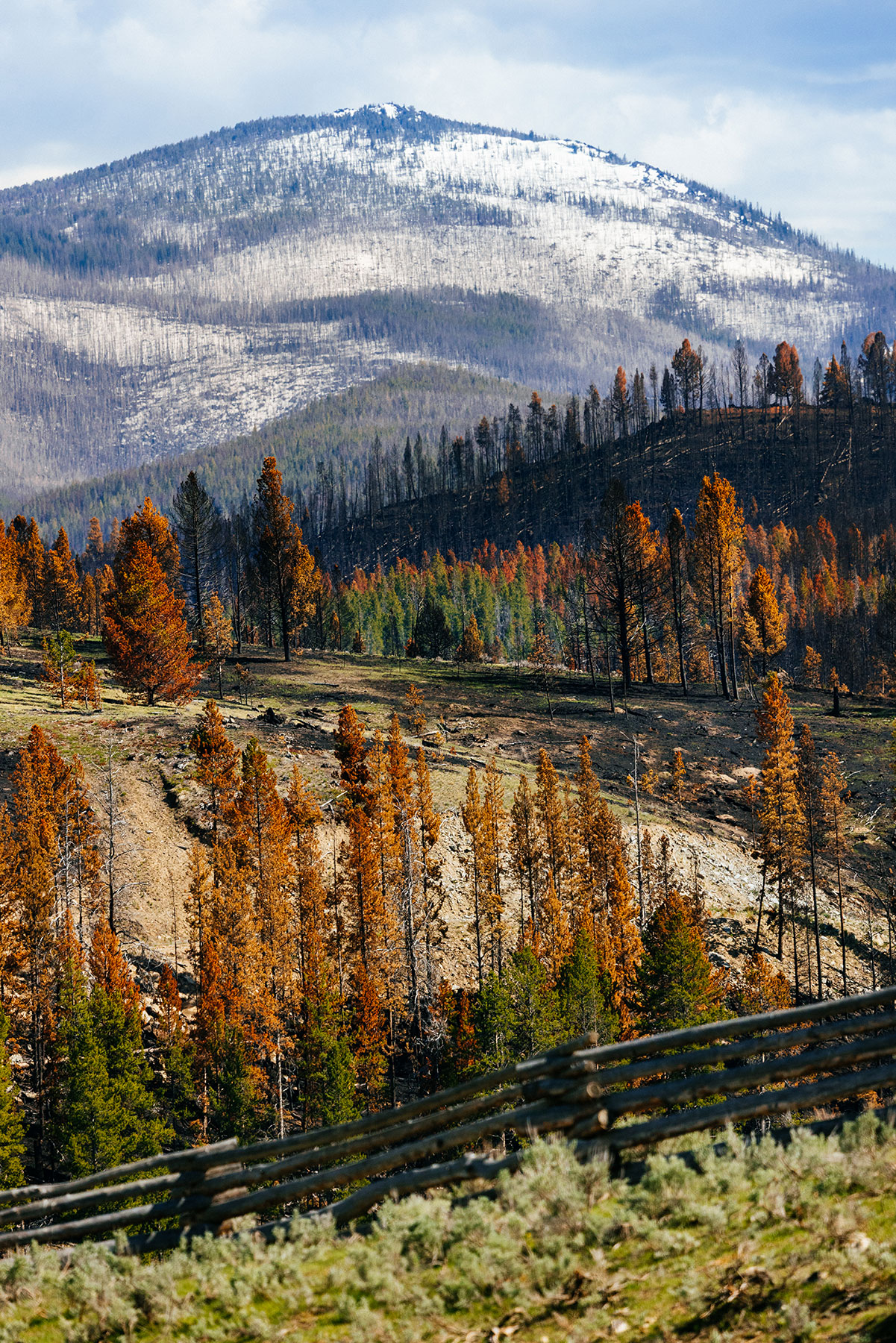
Like many, I used to see wildfires only as something destructive: charred trees, barren land, and a stark reminder of loss. The aftermath felt ugly, a scar on the landscape, and I struggled to find beauty in it. Beauty in the Burn is an ongoing photography project documenting post-wildfire forest regeneration following the 2021 Alder Creek Fire in Montana. Through repeated visits to burned landscapes, the project is also an effort to better understand wildfire and its role in the West. Photography gives me a reason to return, observe more closely, and understand the process at a deeper level to share with others.
Photographs are presented in reverse chronological order, beginning with the most recent documentation of the burn.
August 2026
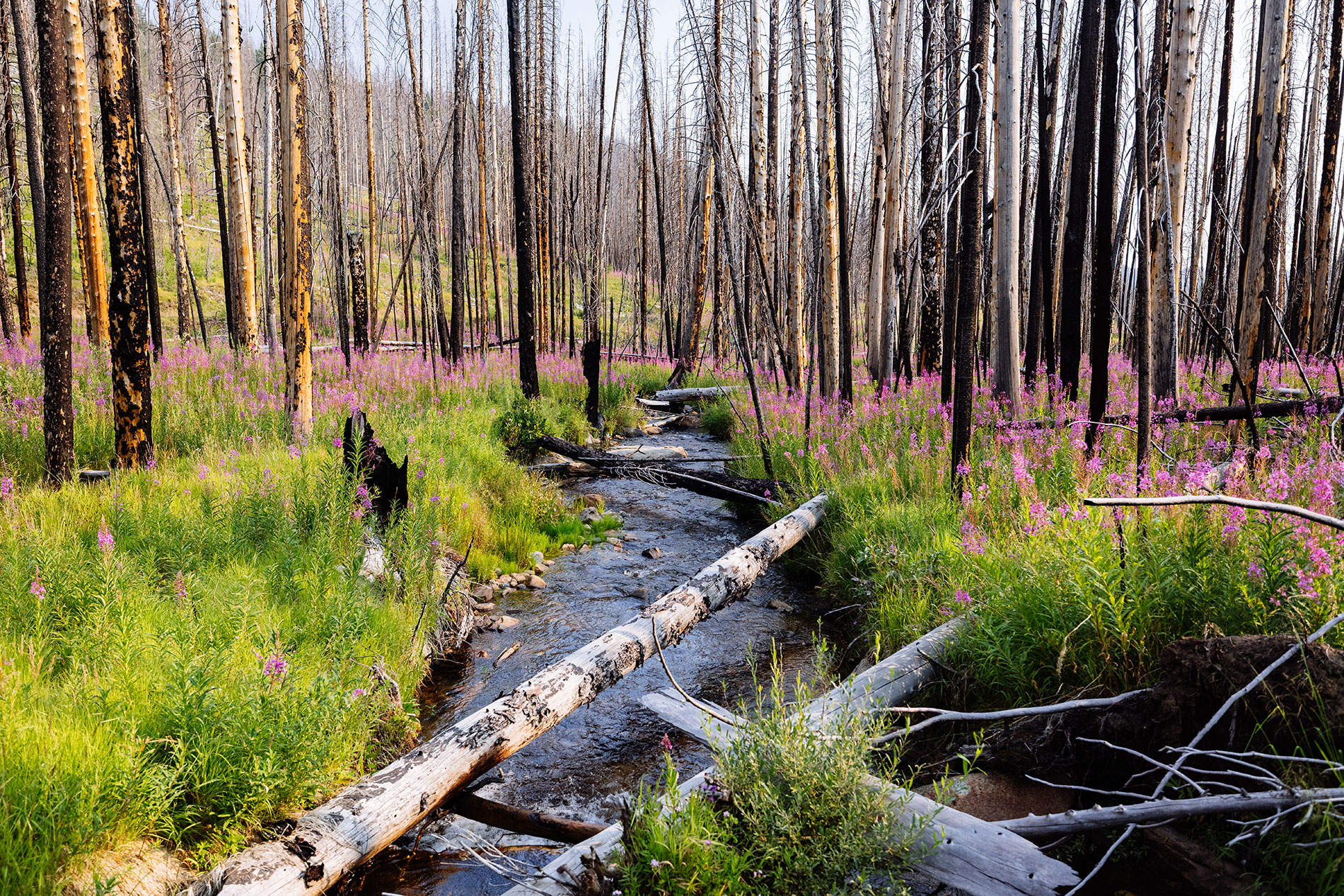
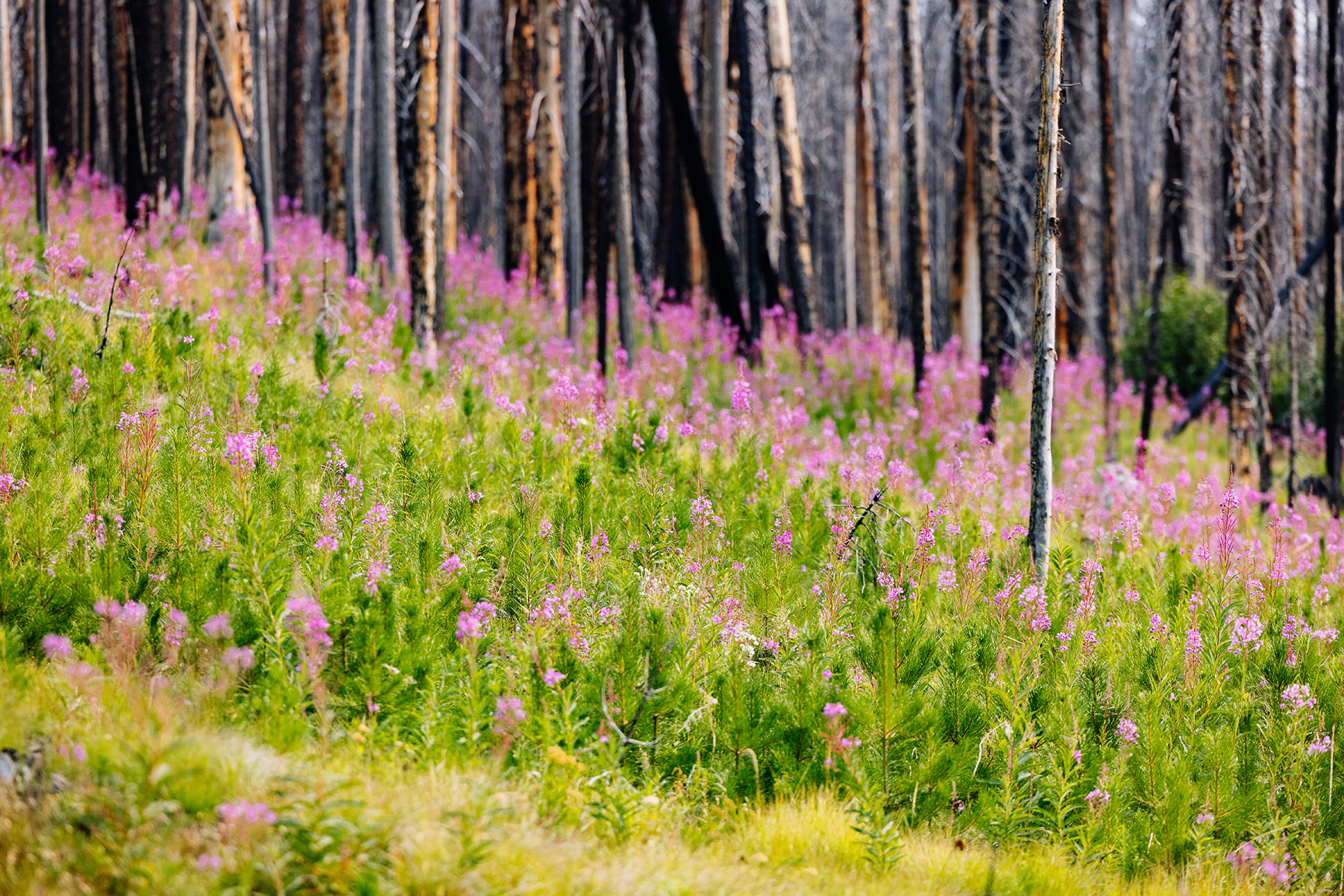
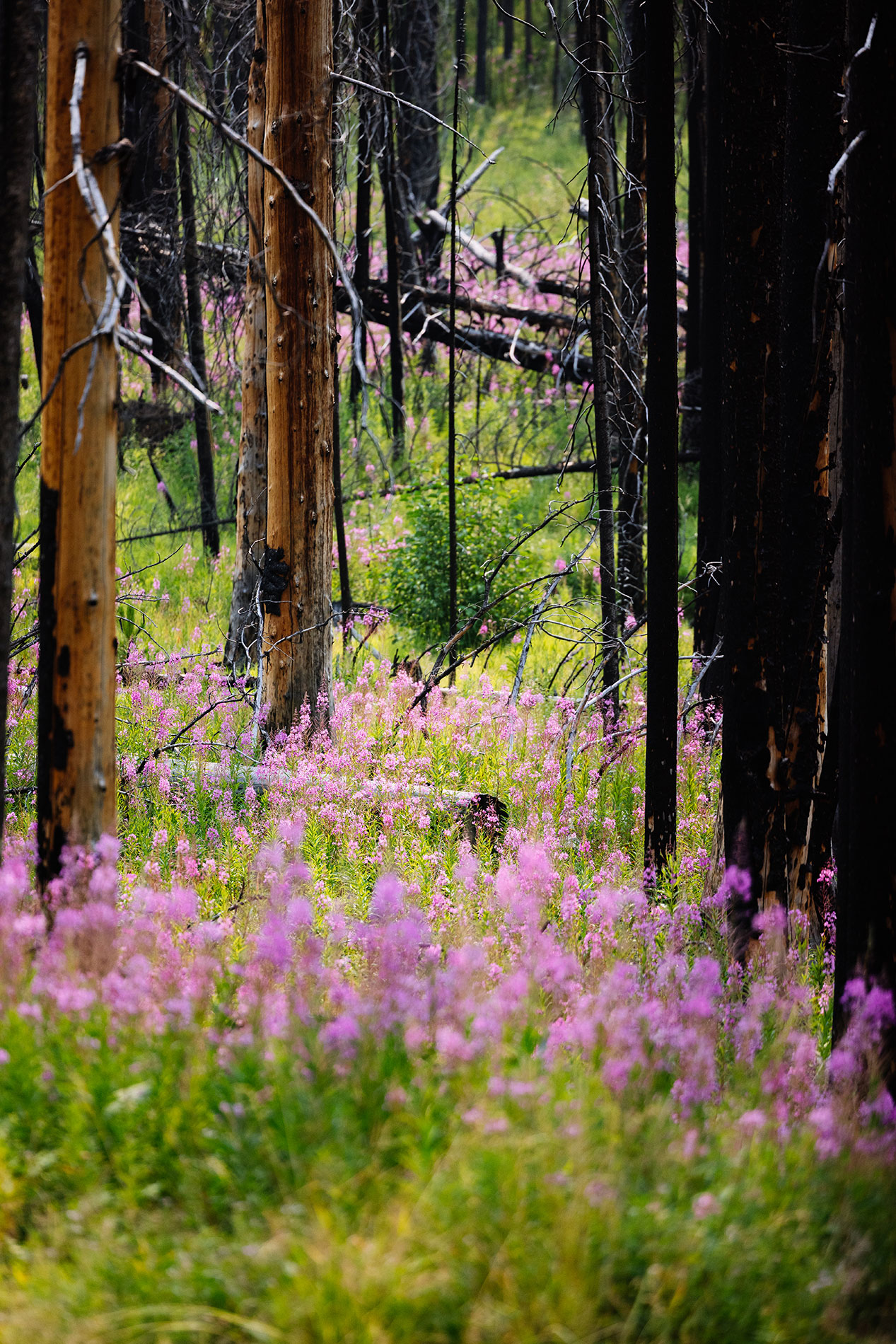
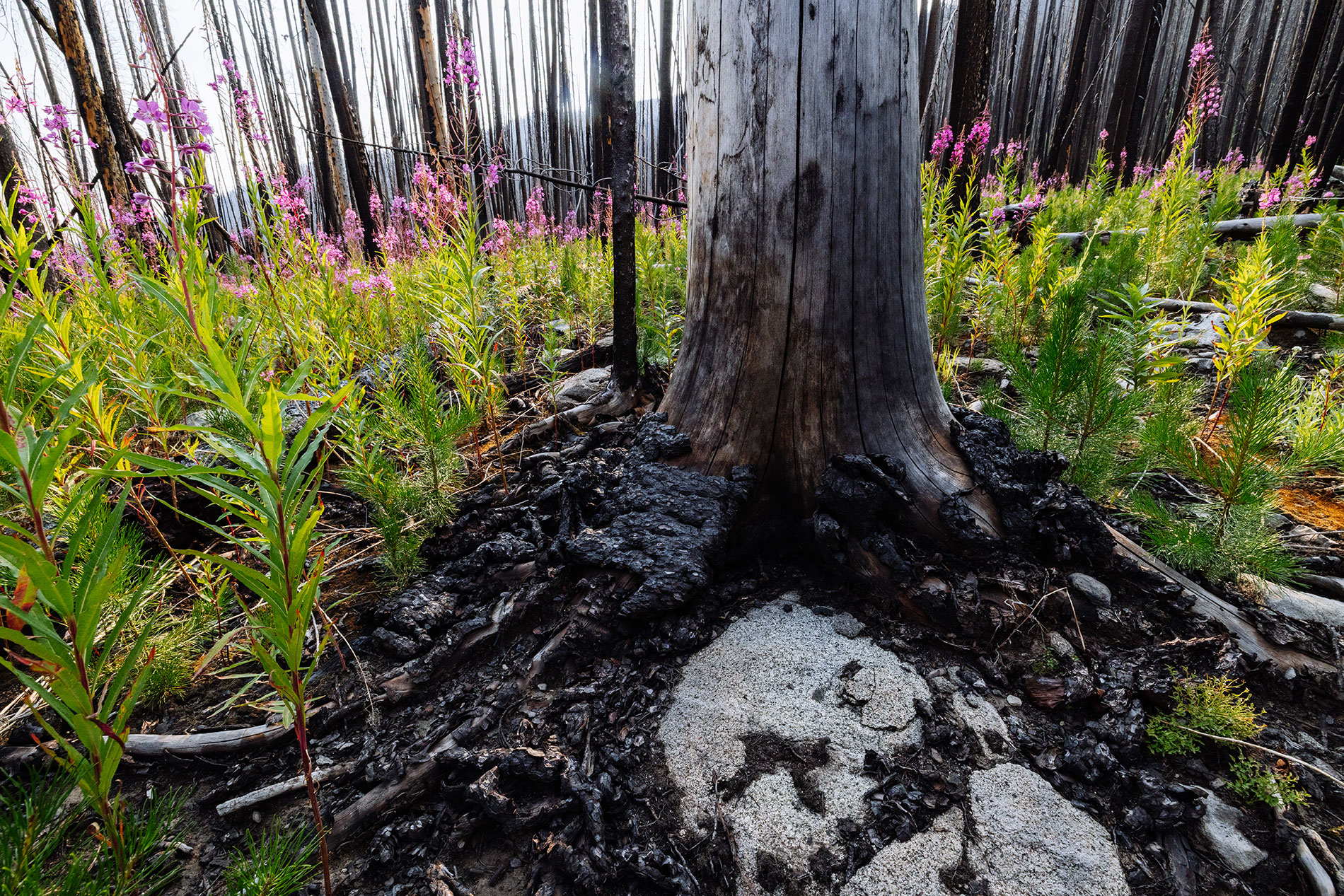
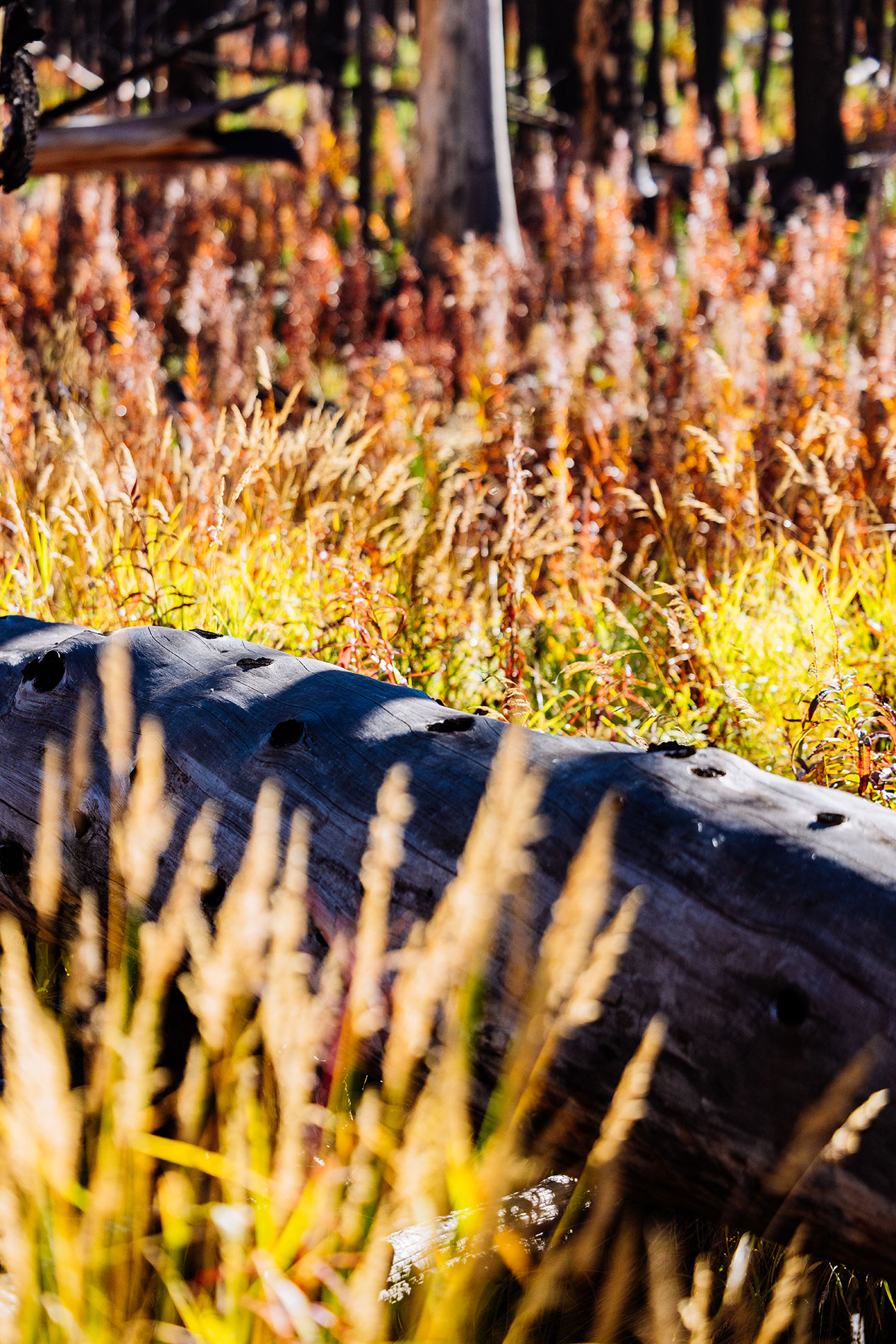
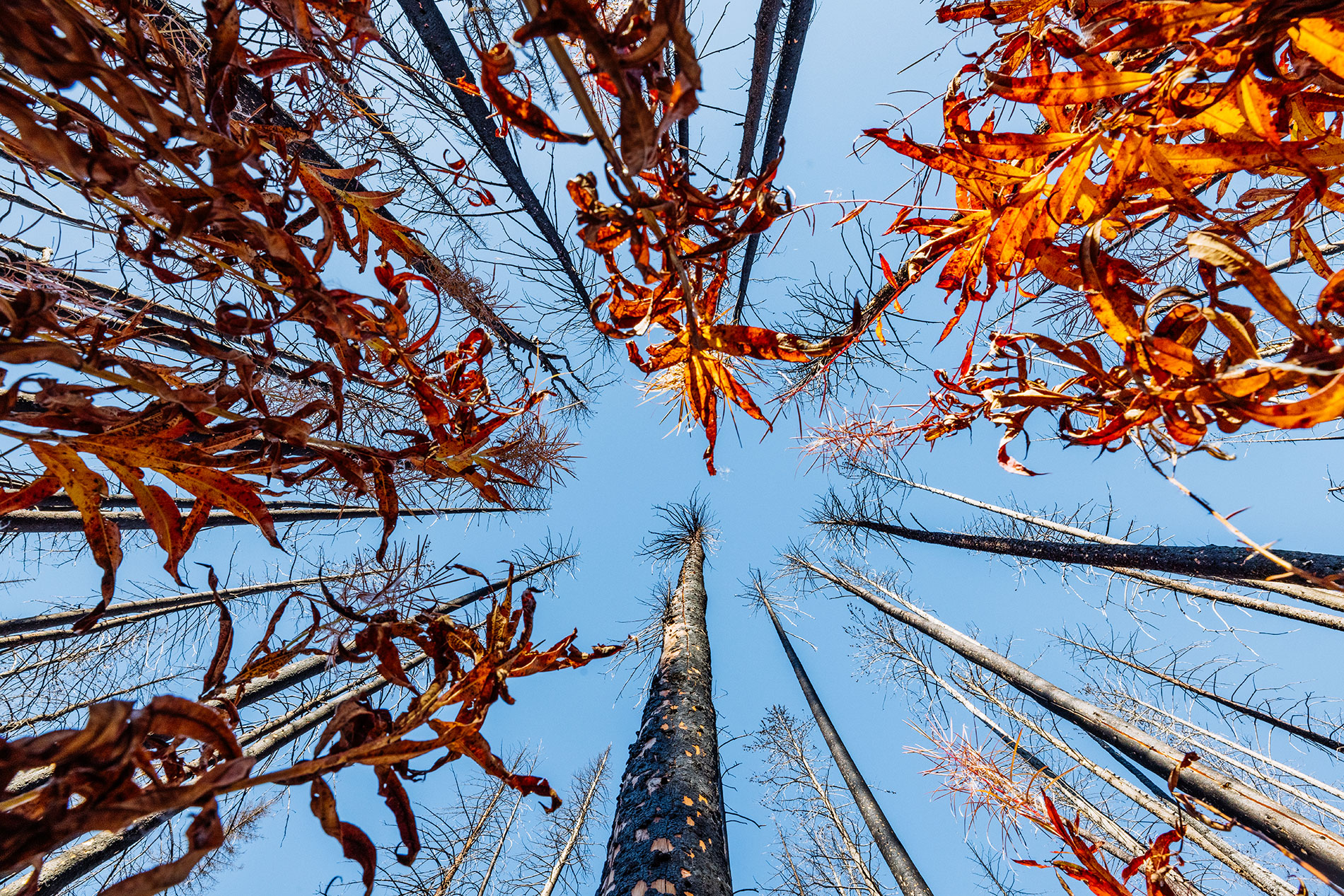
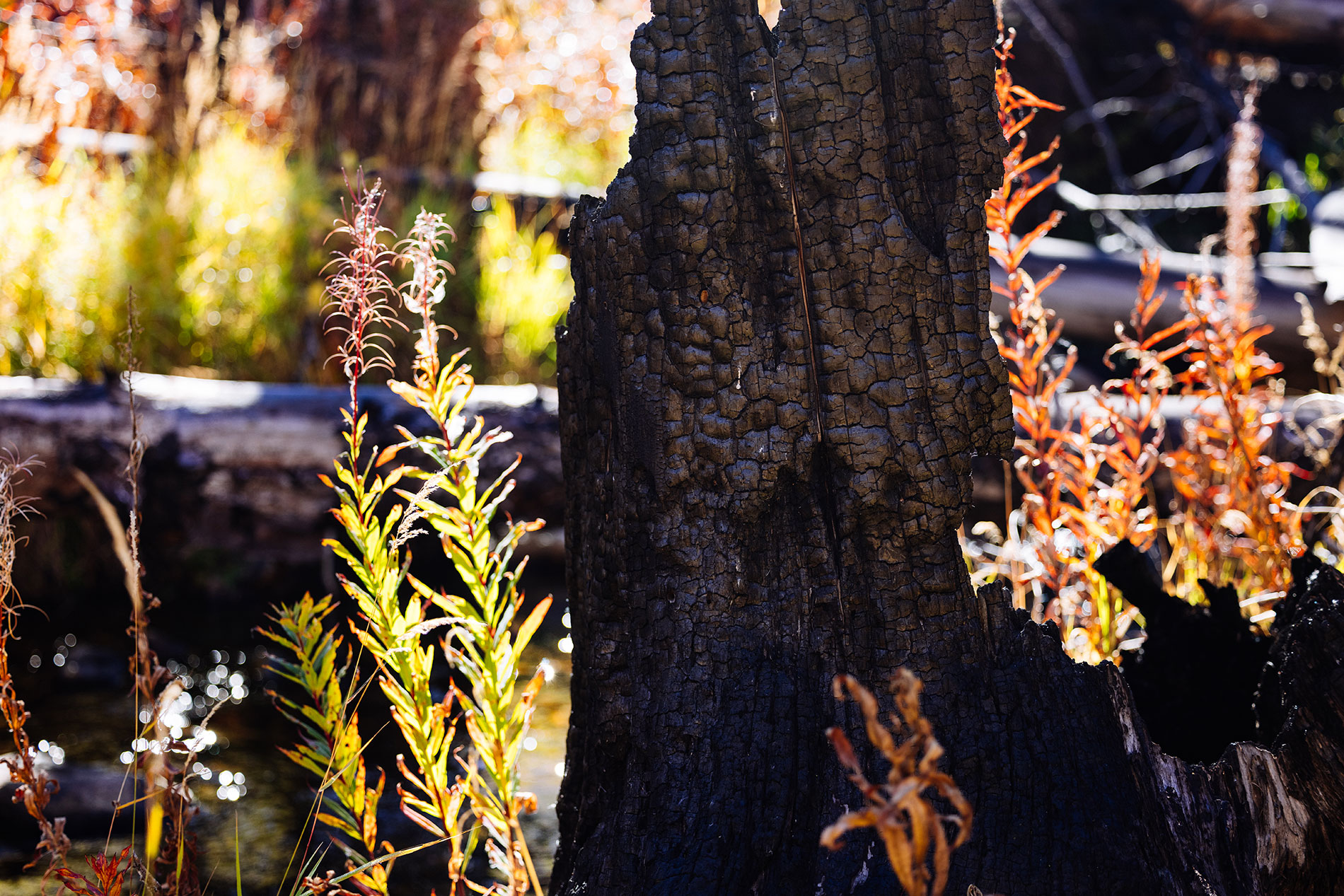
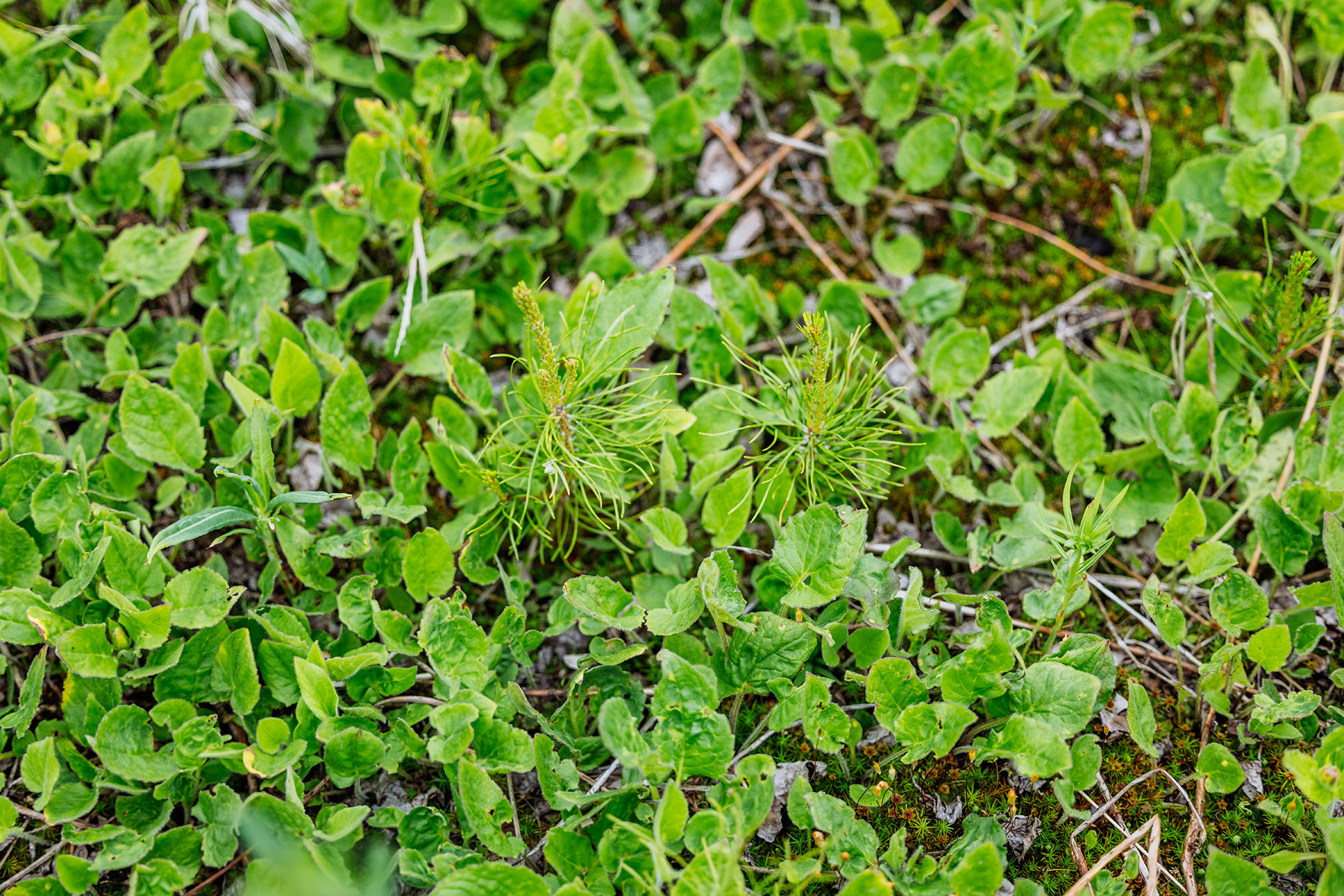
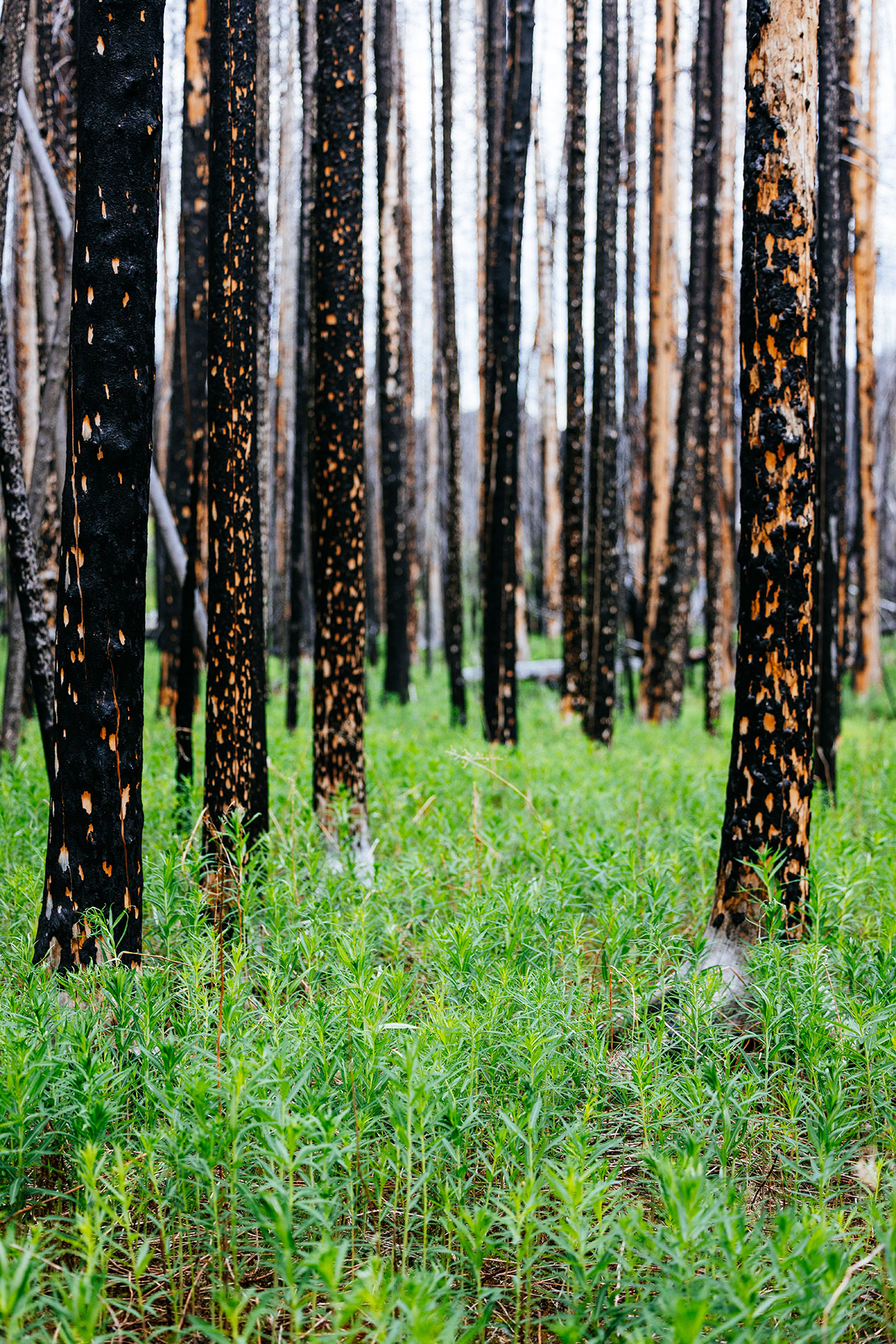
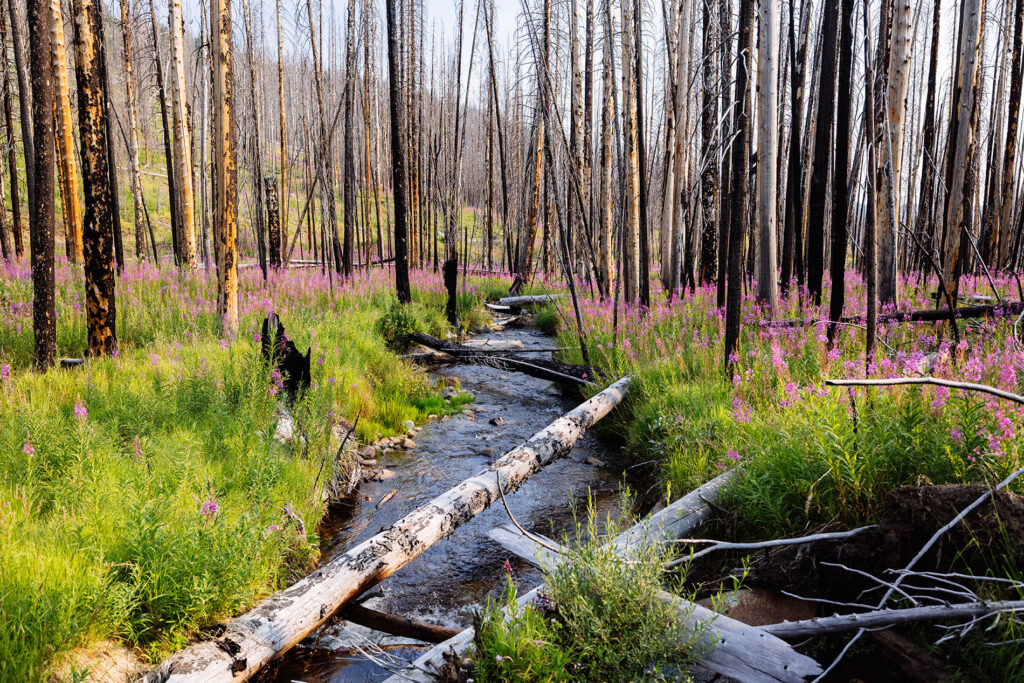
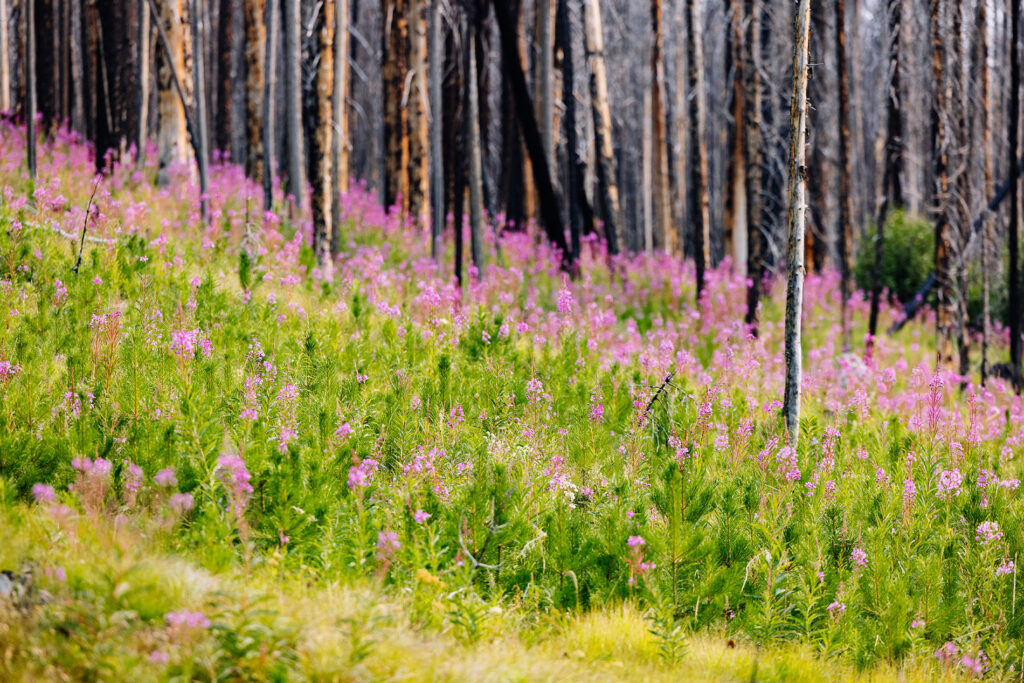
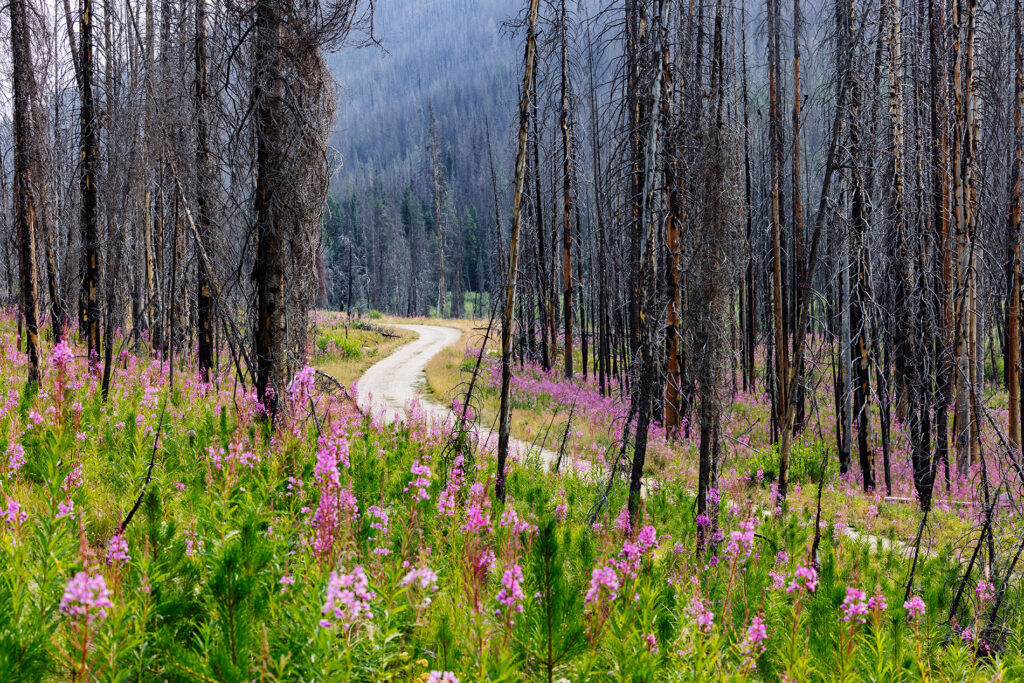
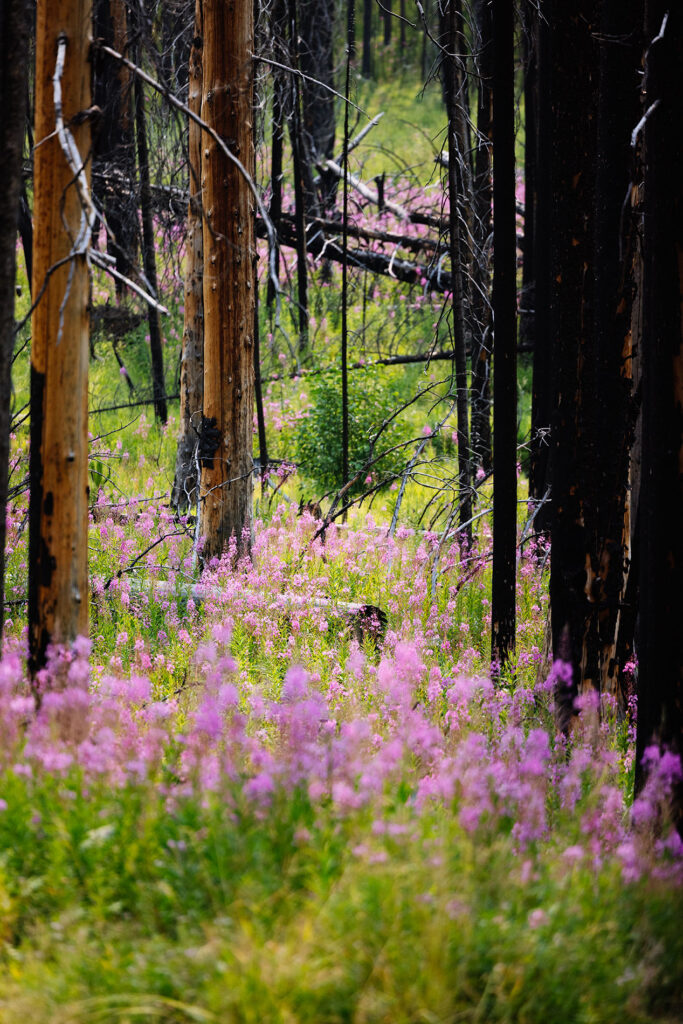
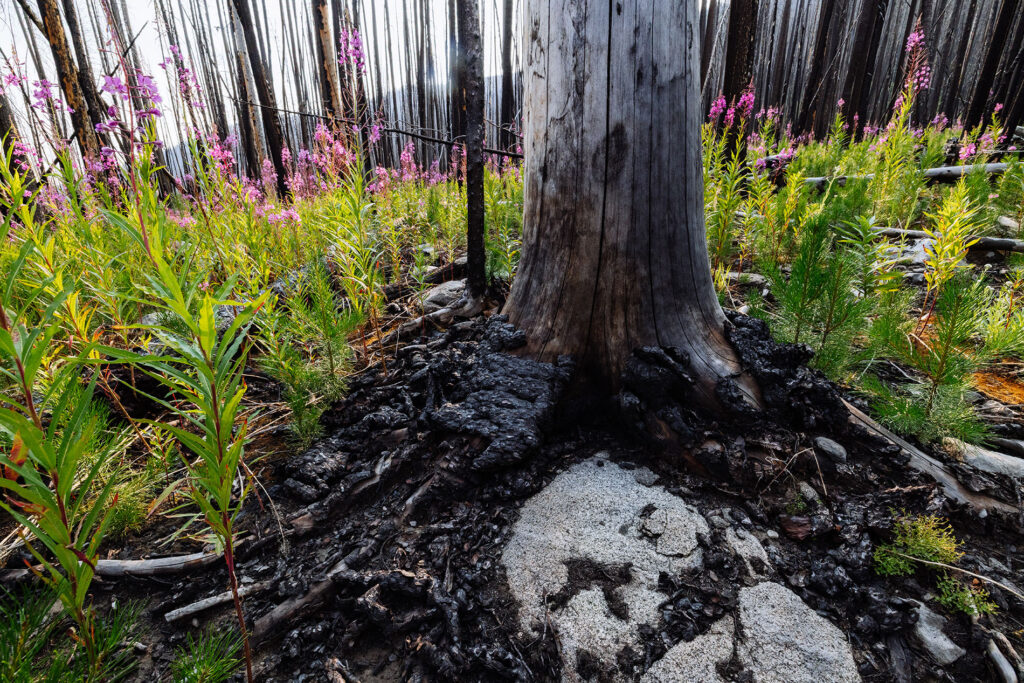
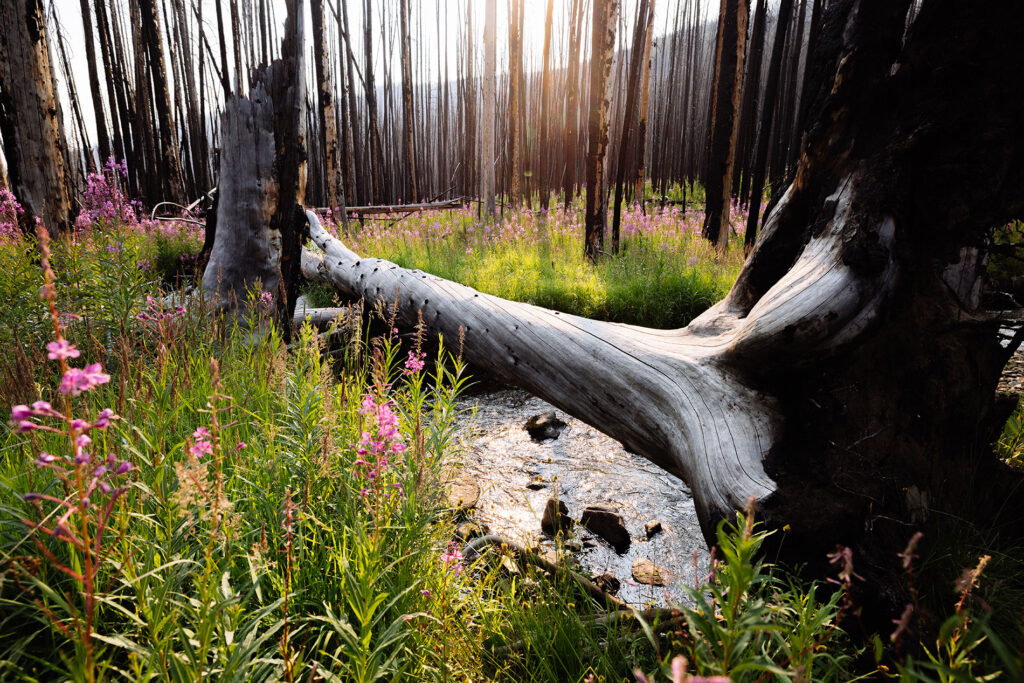
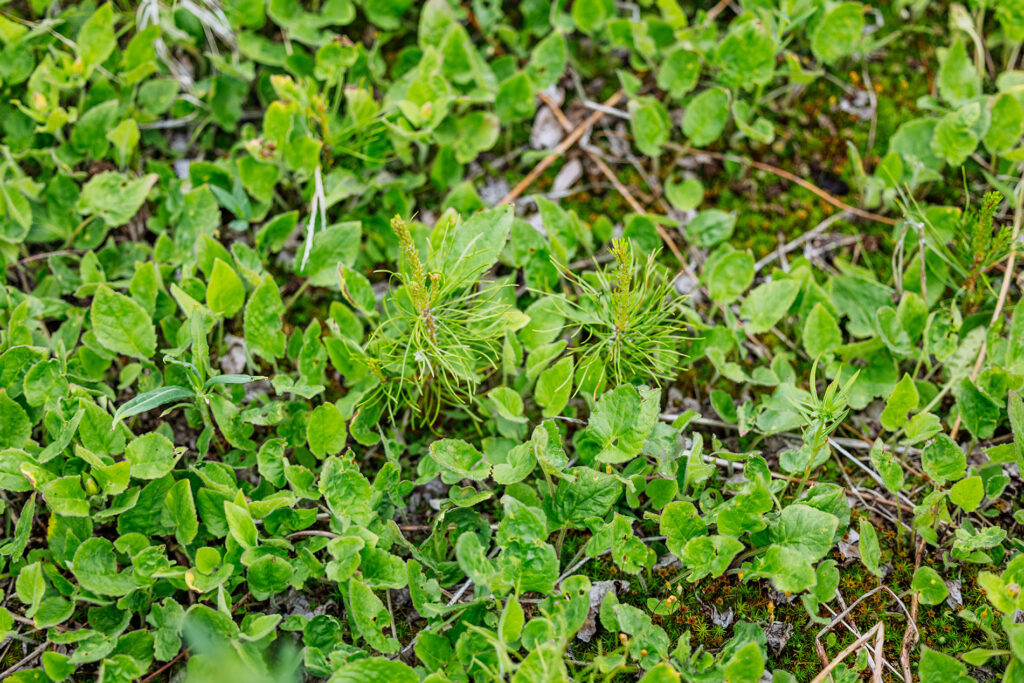
Fireweed remains abundant throughout the Alder Creek burn, with young lodgepole pines now reaching about 1–1.5 feet tall. This landscape feels similar to the same time visiting last year. Nearby, the Bobcat Lakes and Sand Creek fires are burning, marking the third consecutive year of wildfire in the West Pioneer Mountains following the 2024 Grouse Fire and 2025 Sawlog Fire.
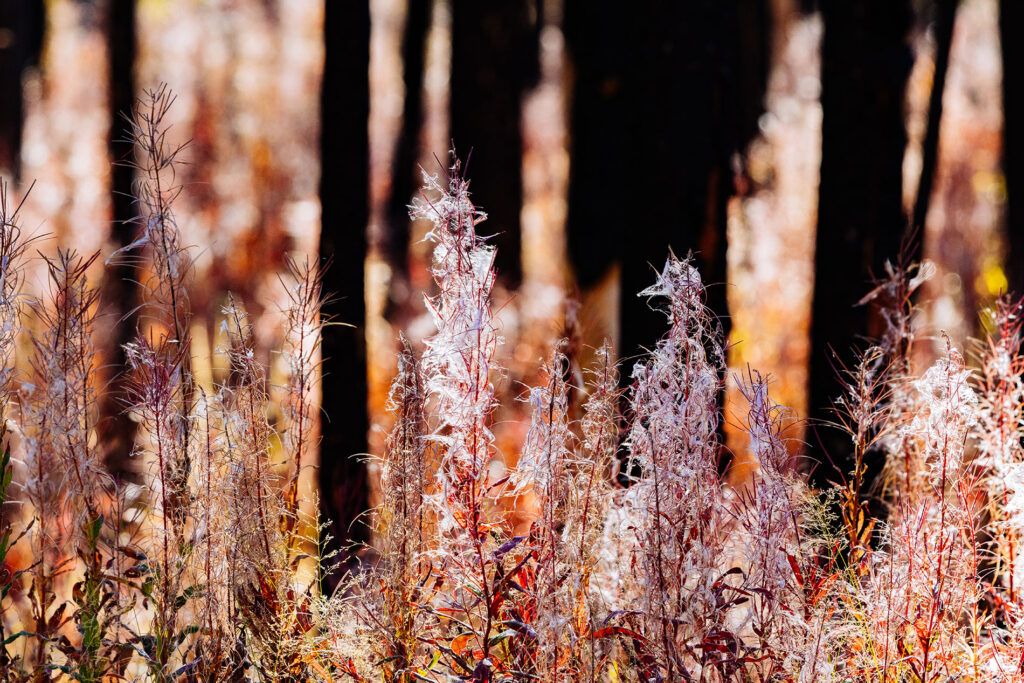
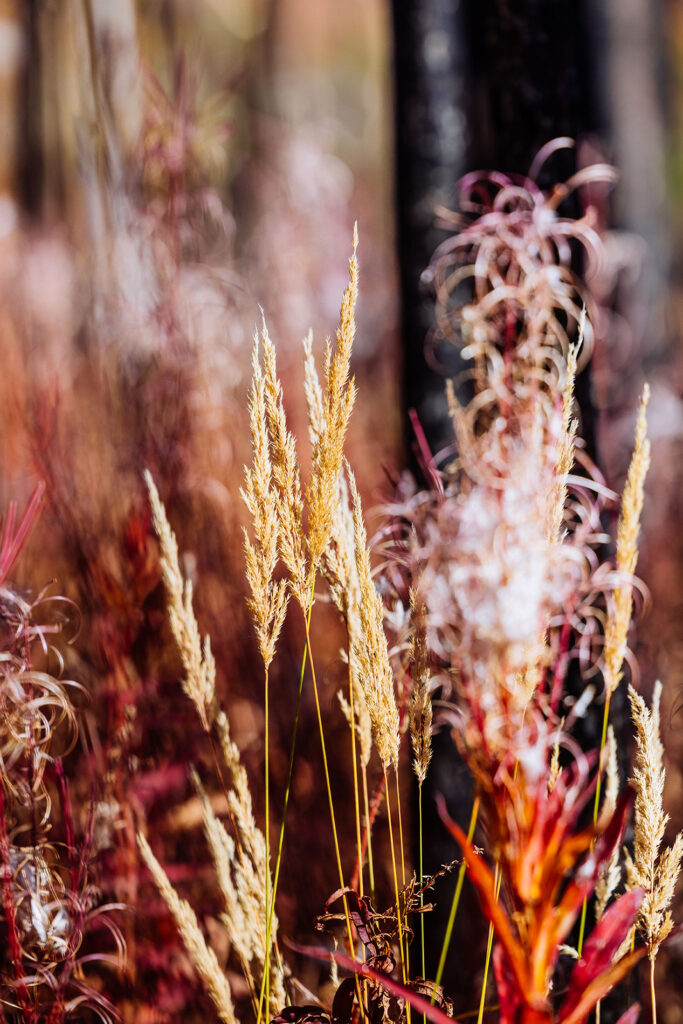
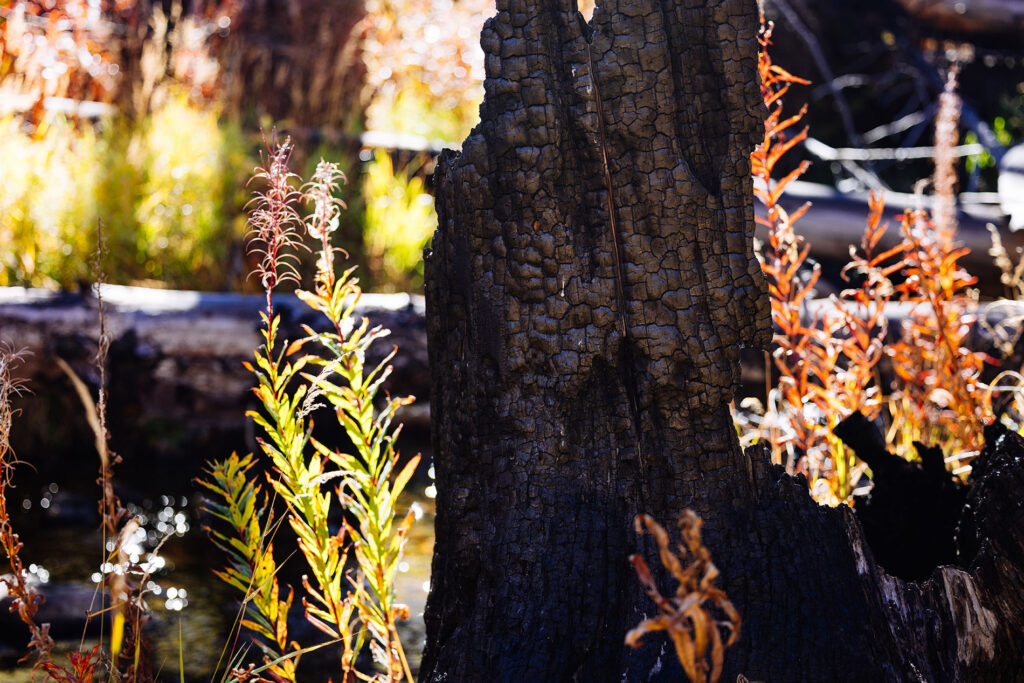
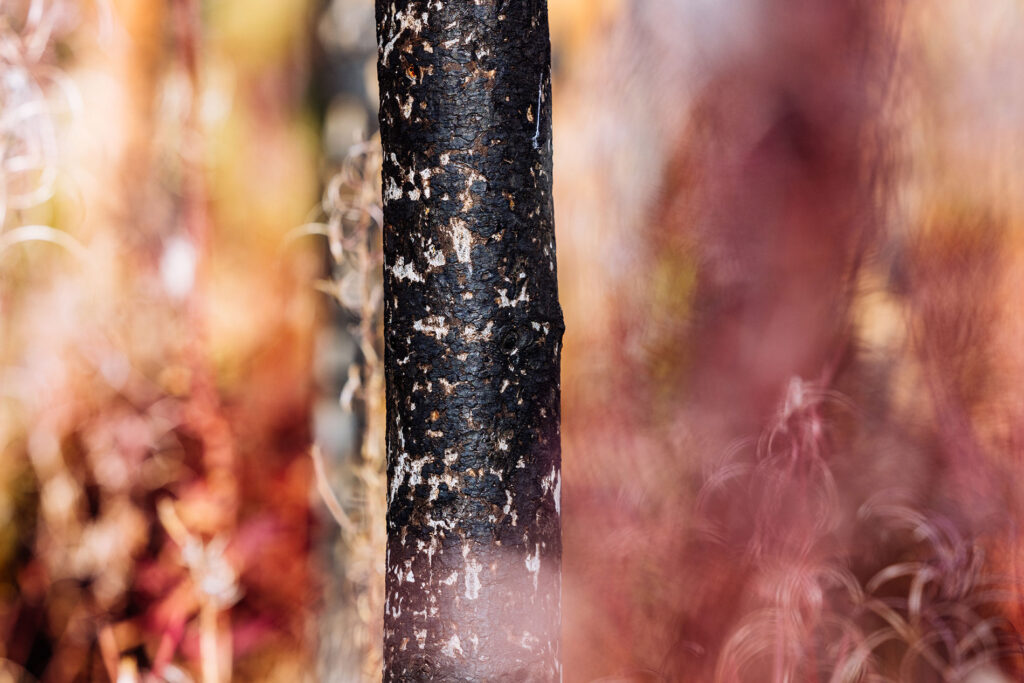
September 2025
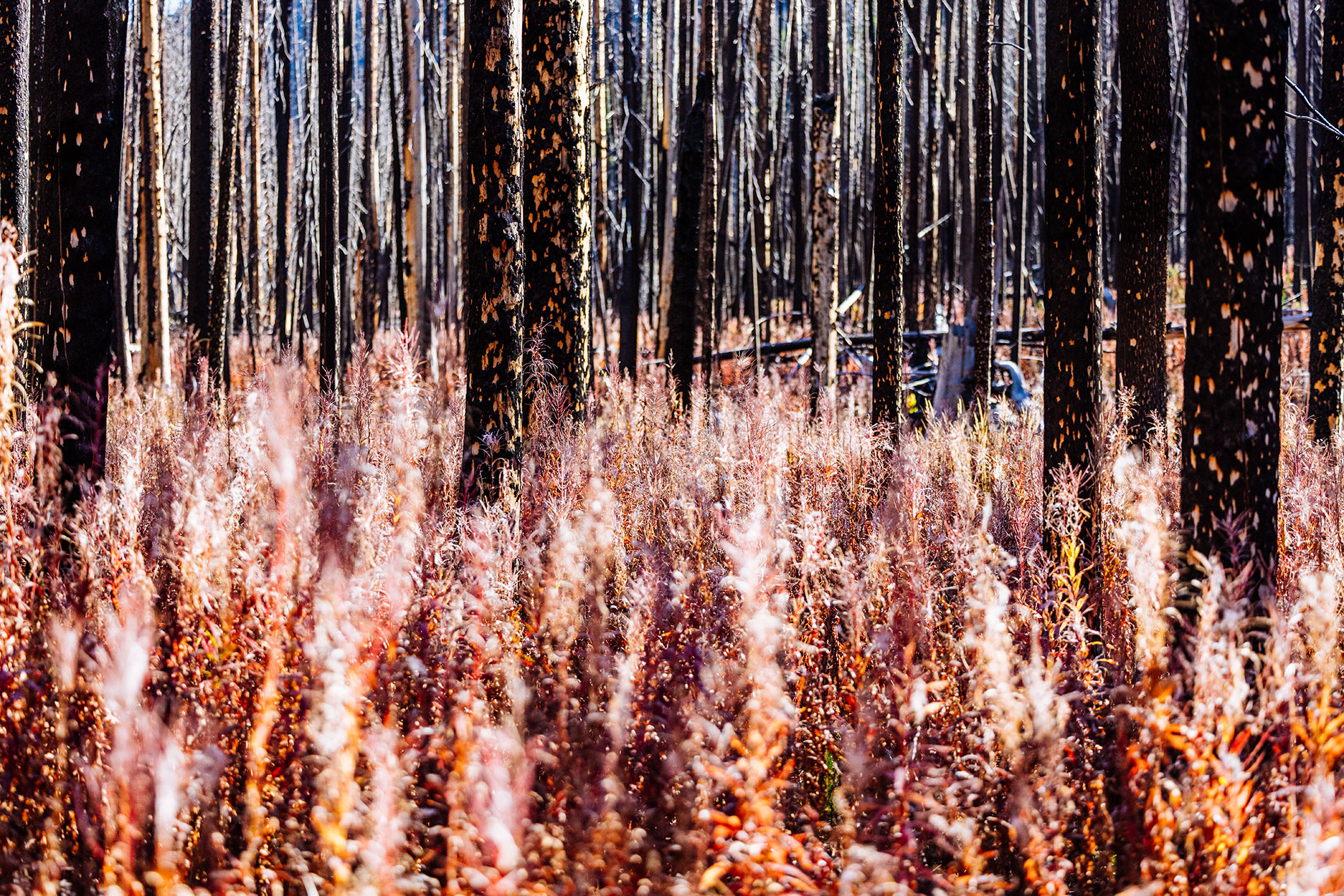
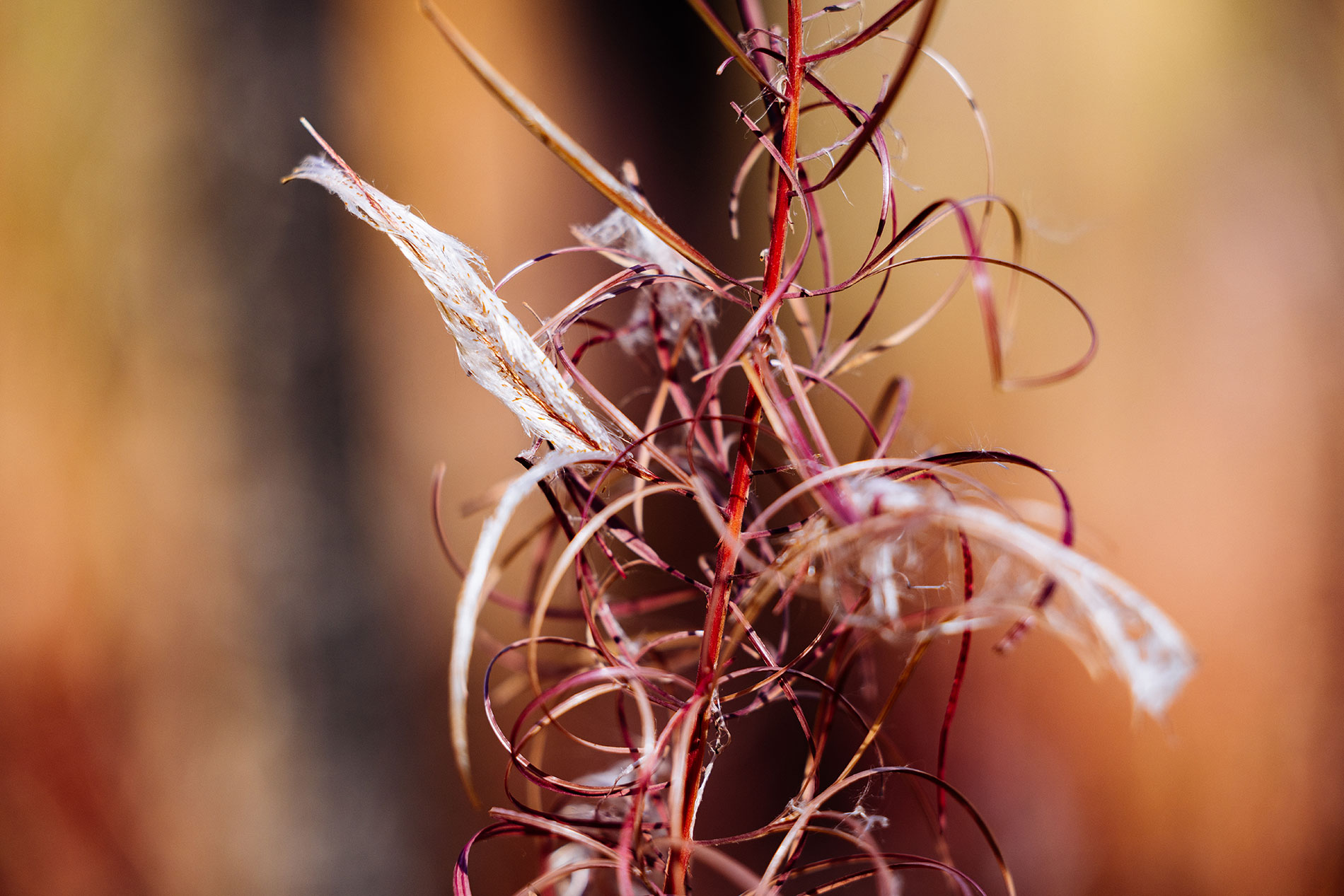
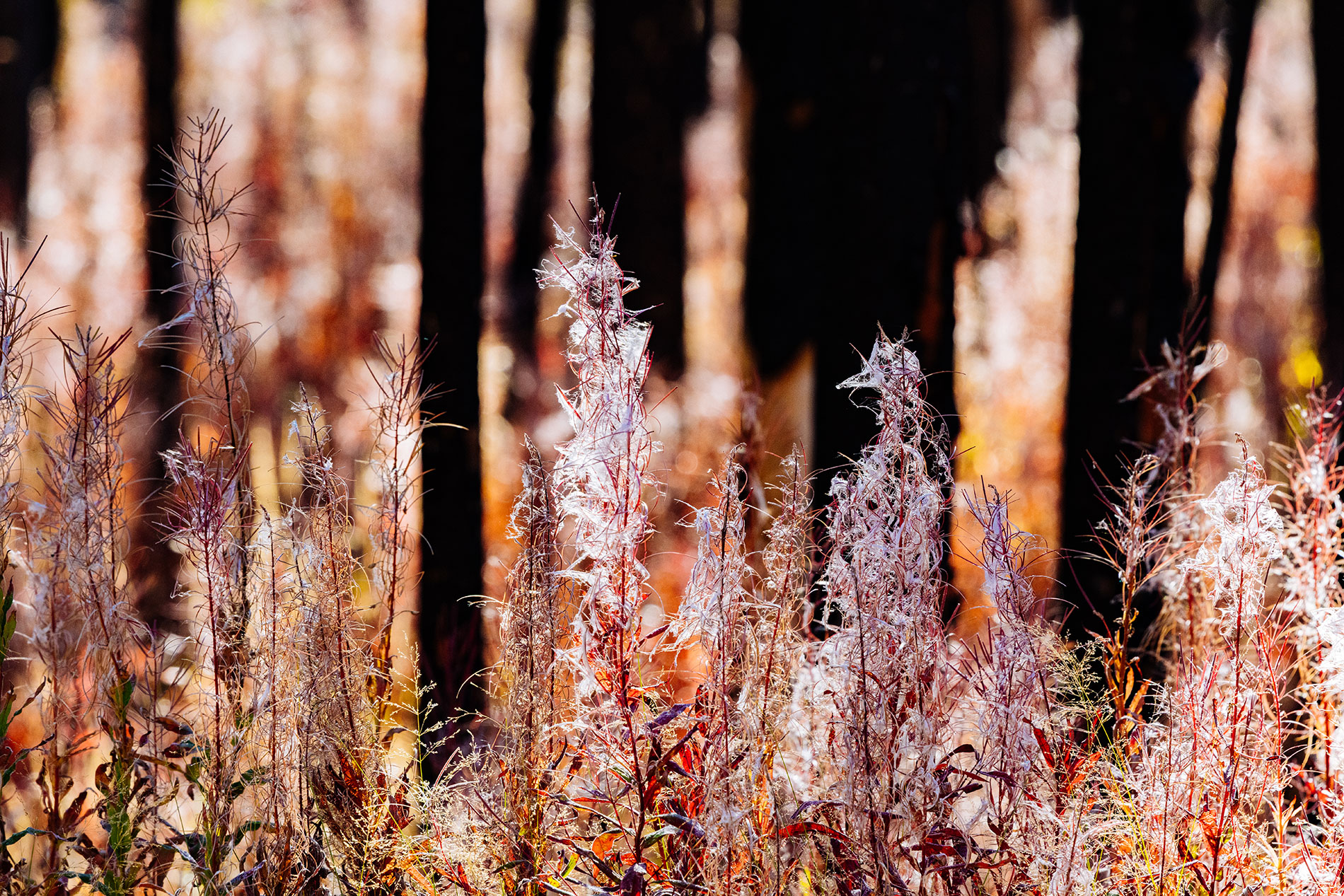
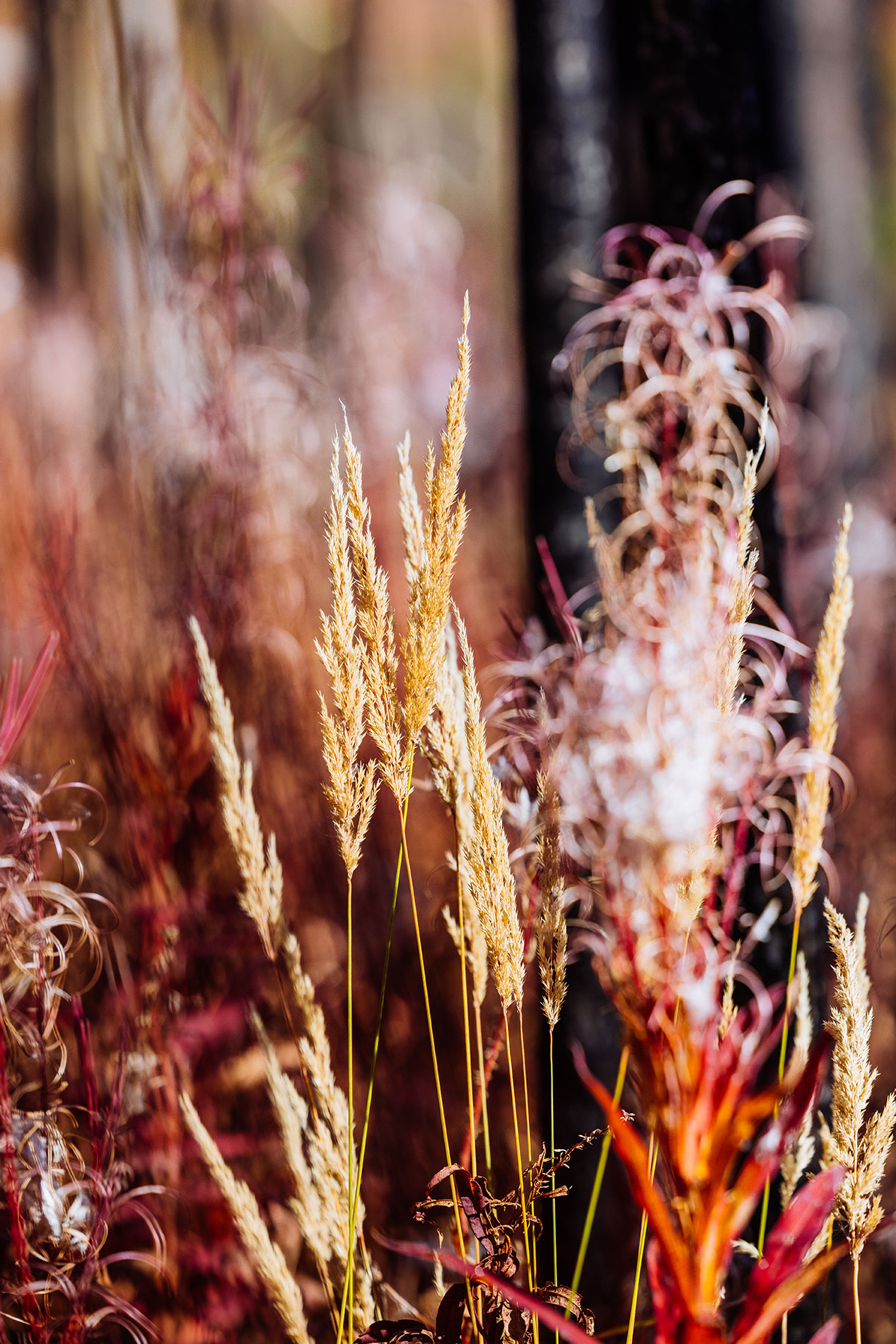
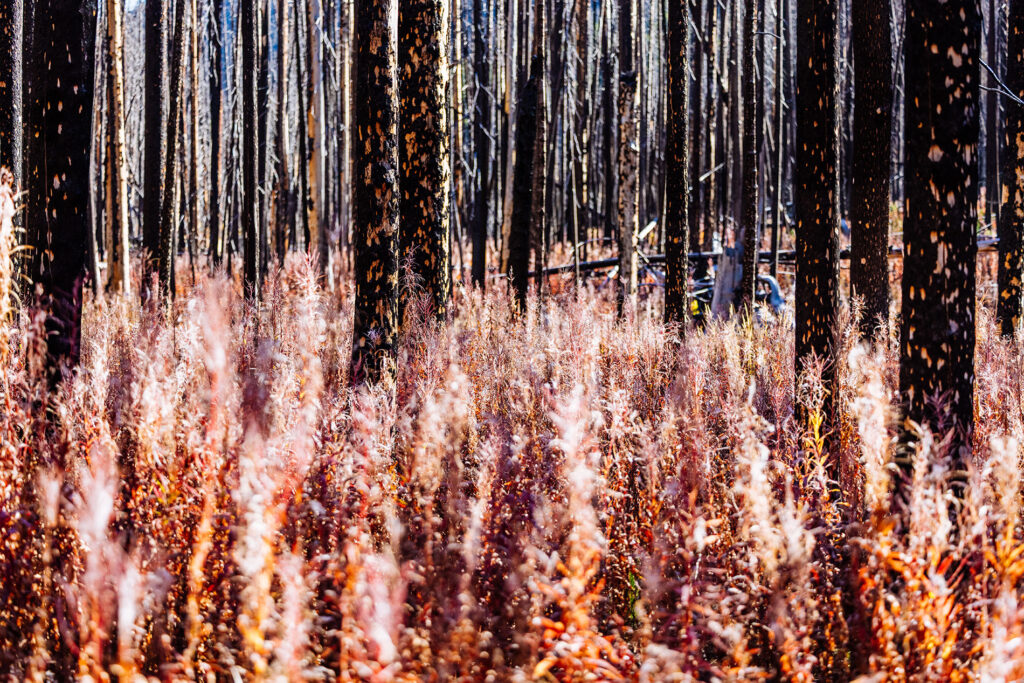
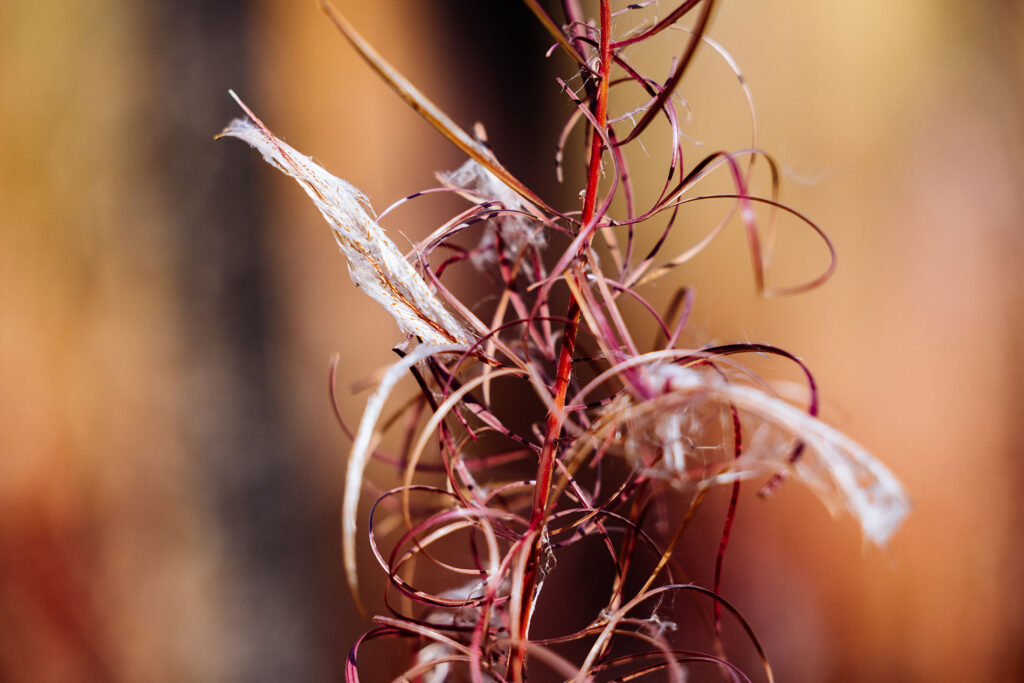
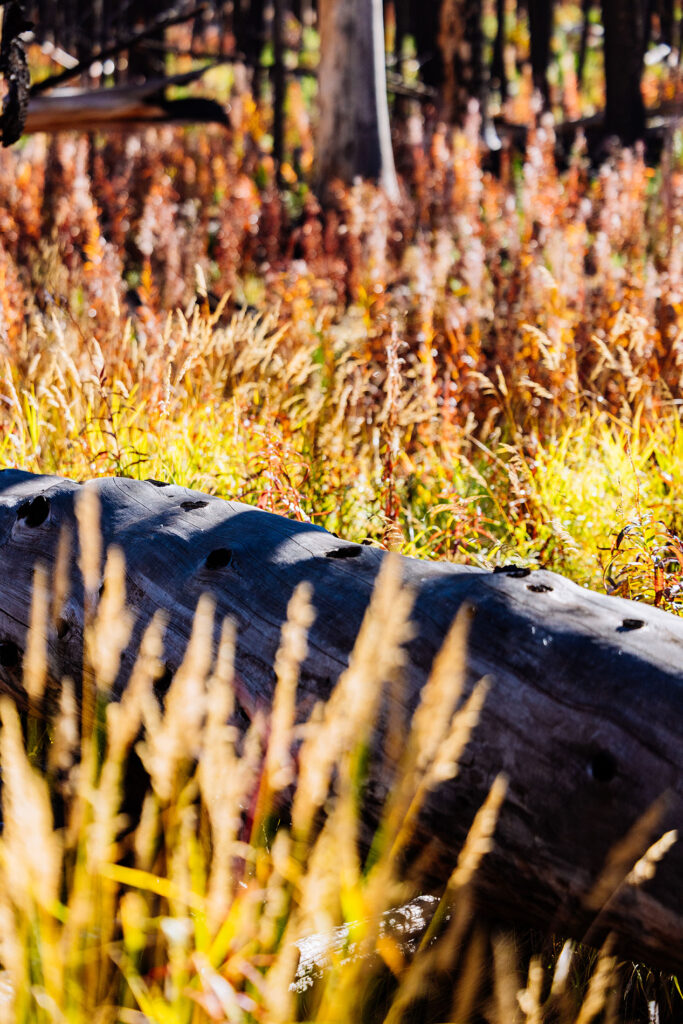
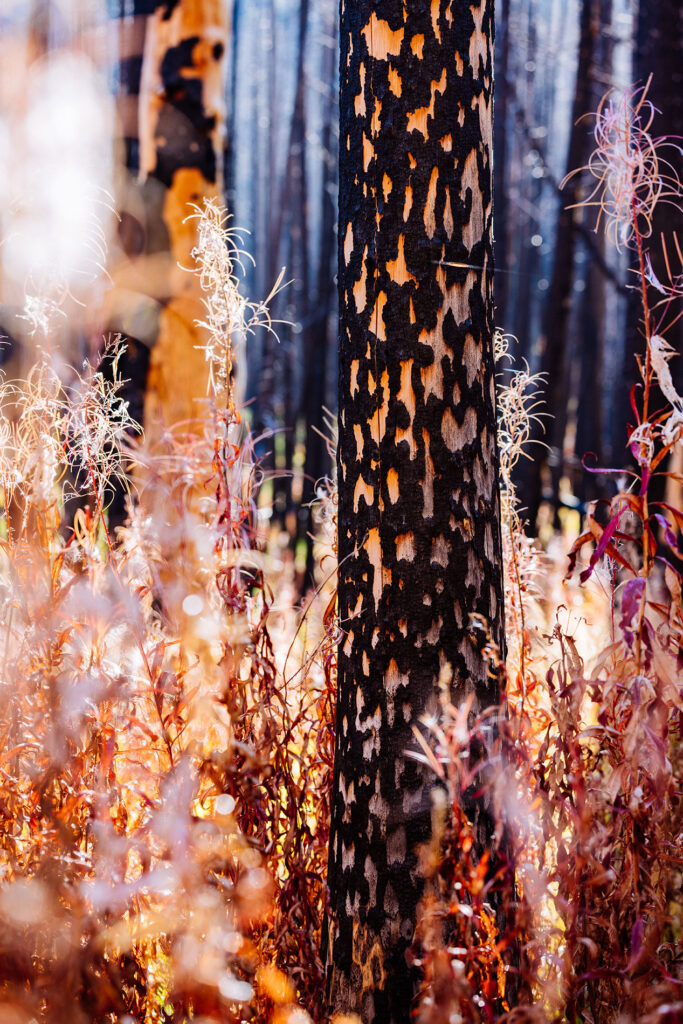
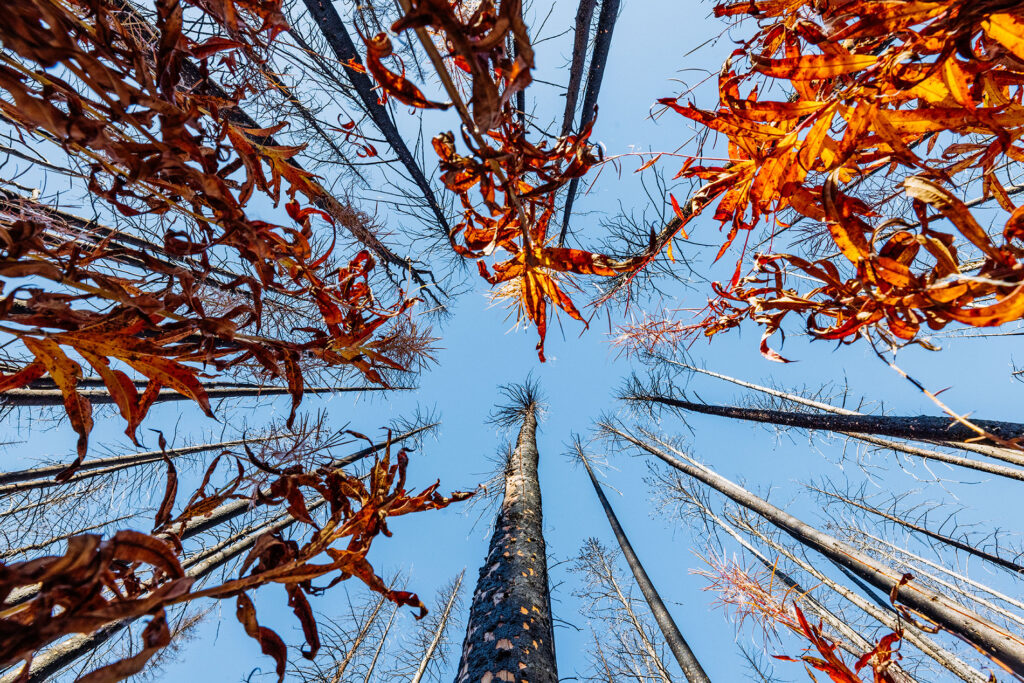
The plan was to revisit when the fireweed had gone to seed. I wasn’t able to make it until just shortly after, however, my eyes were opened once again at the beauty of this renewal process.
June 2025
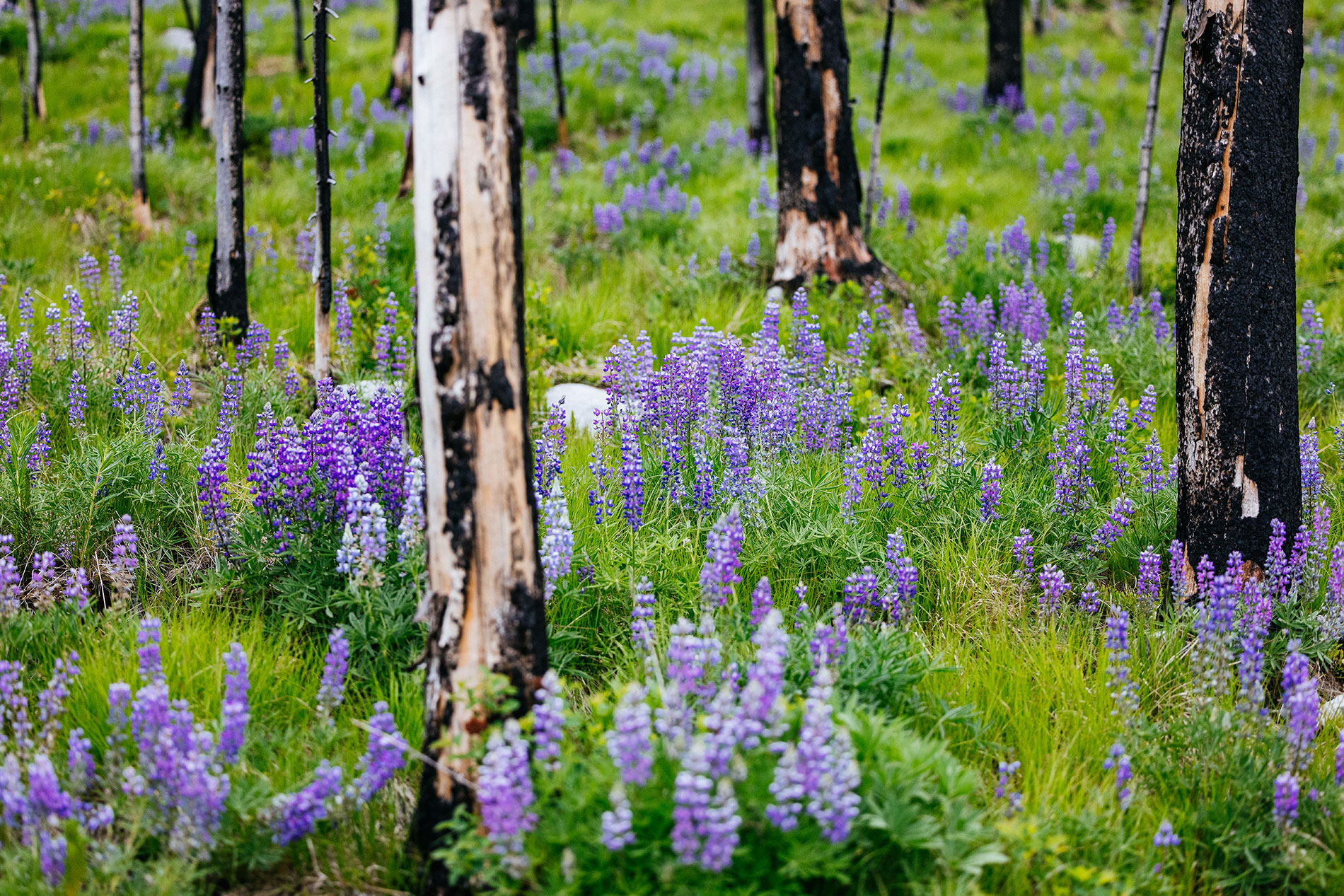
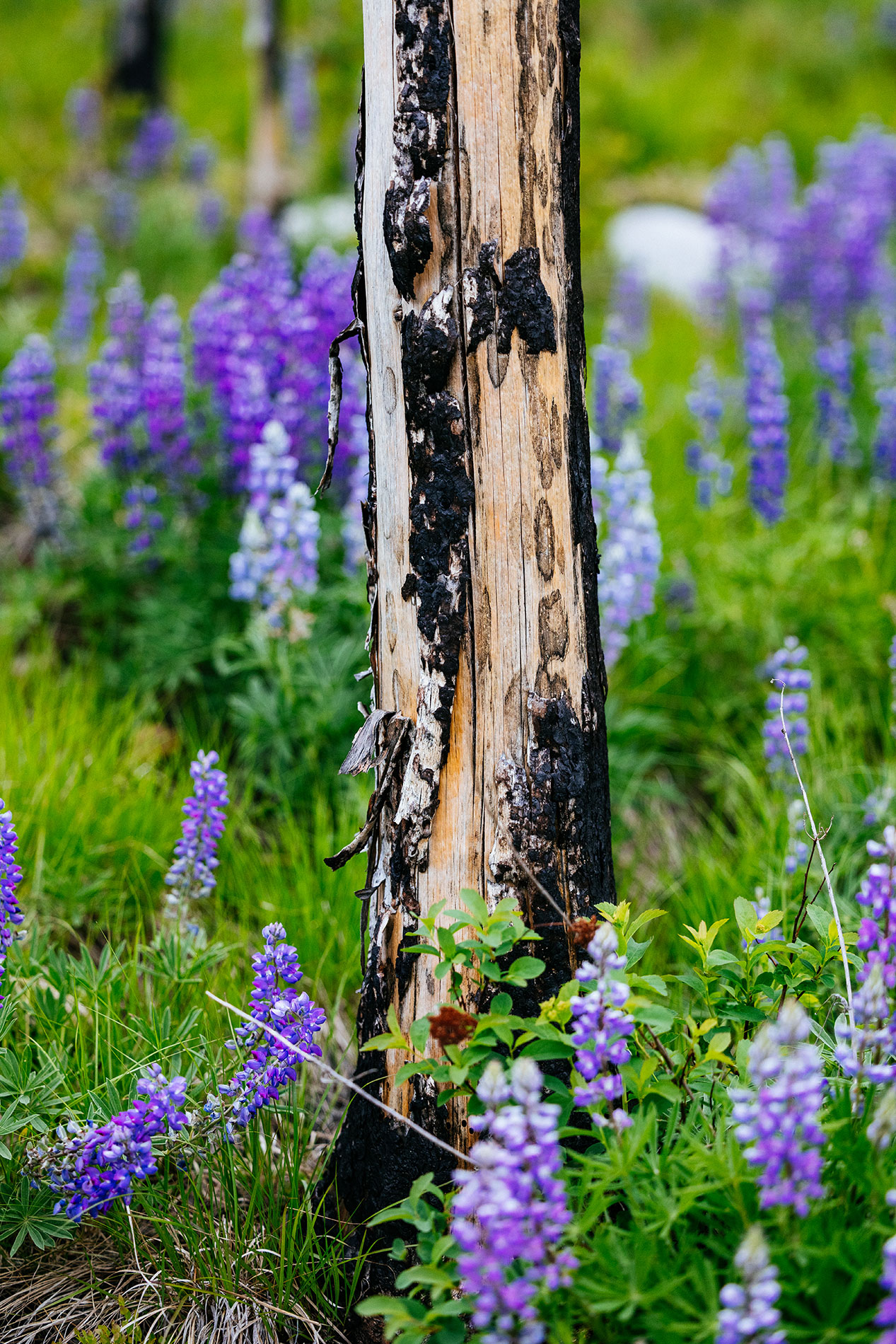
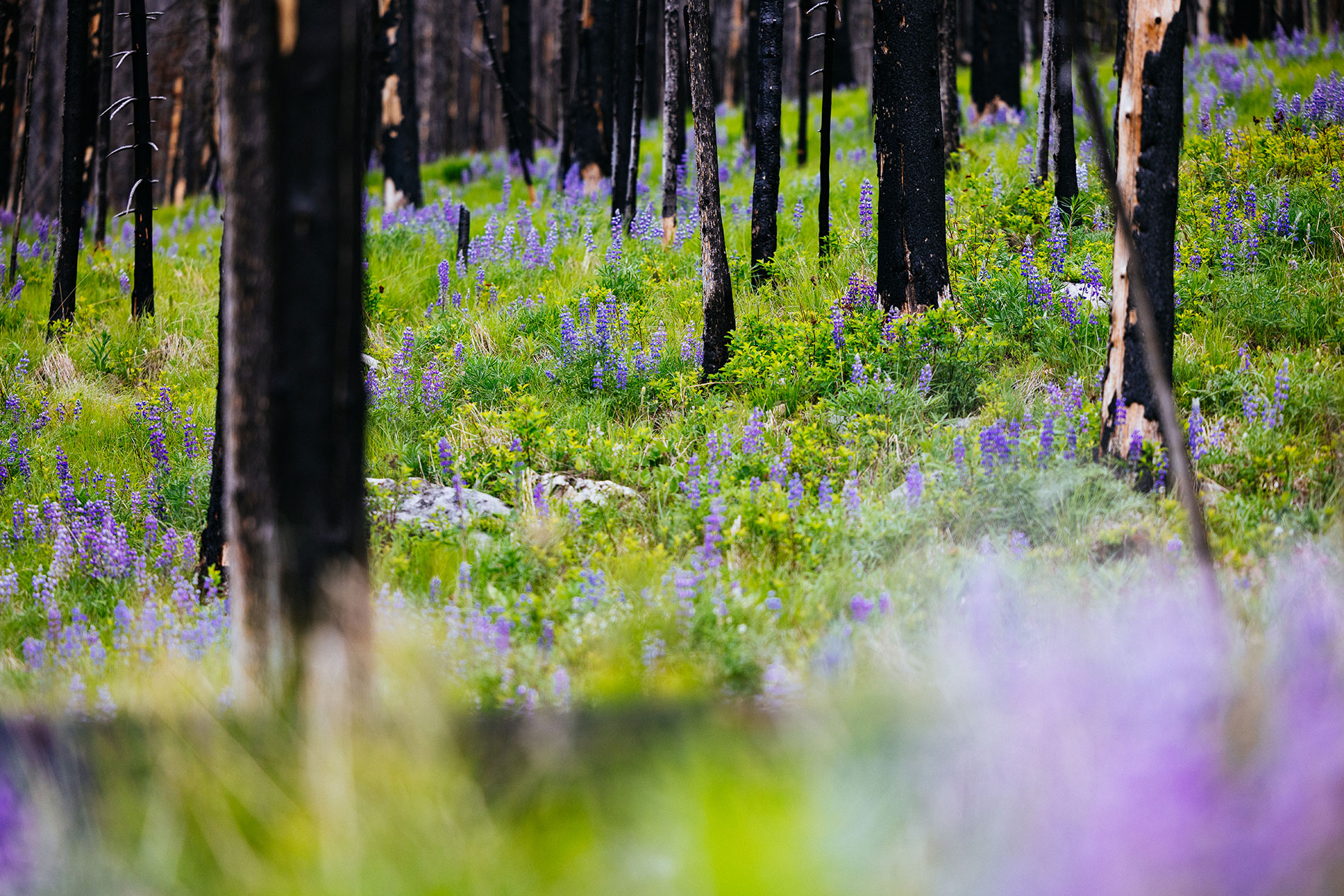
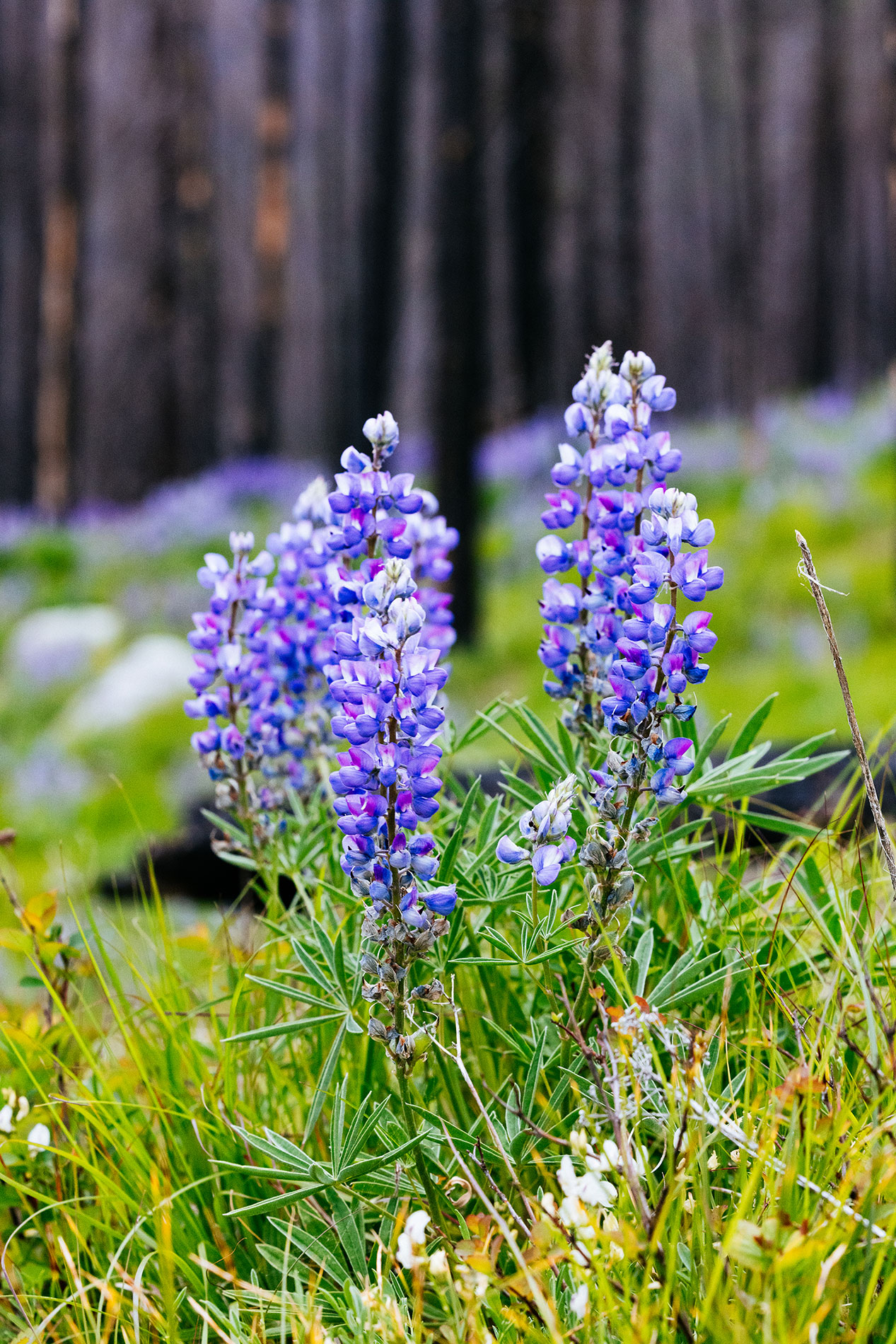
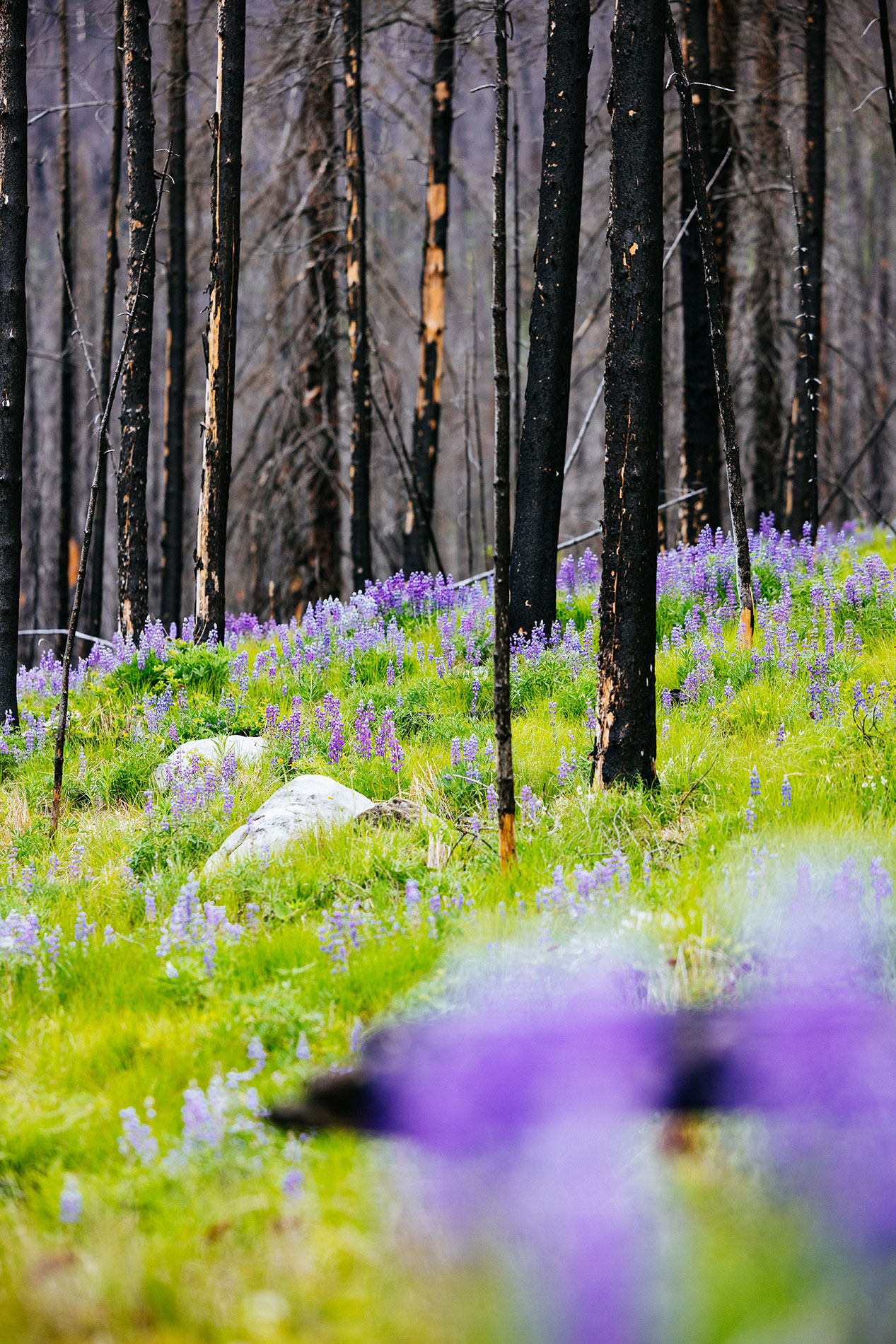
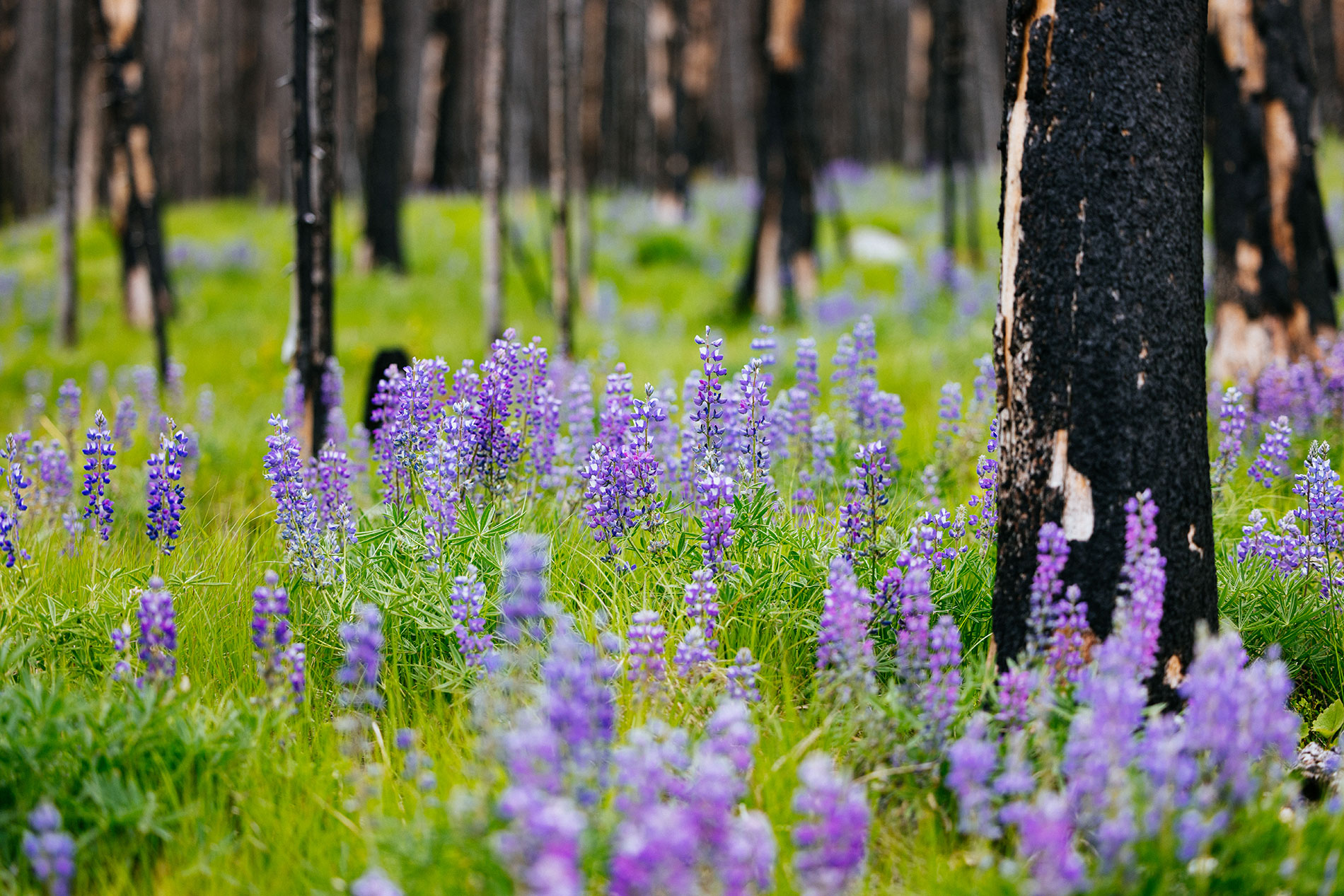
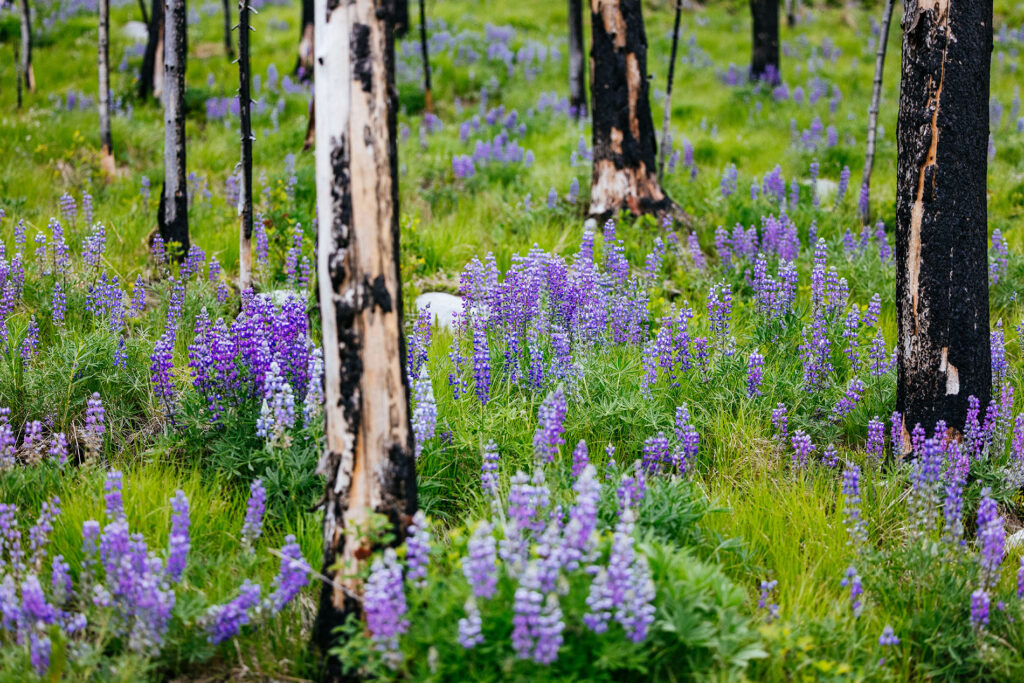
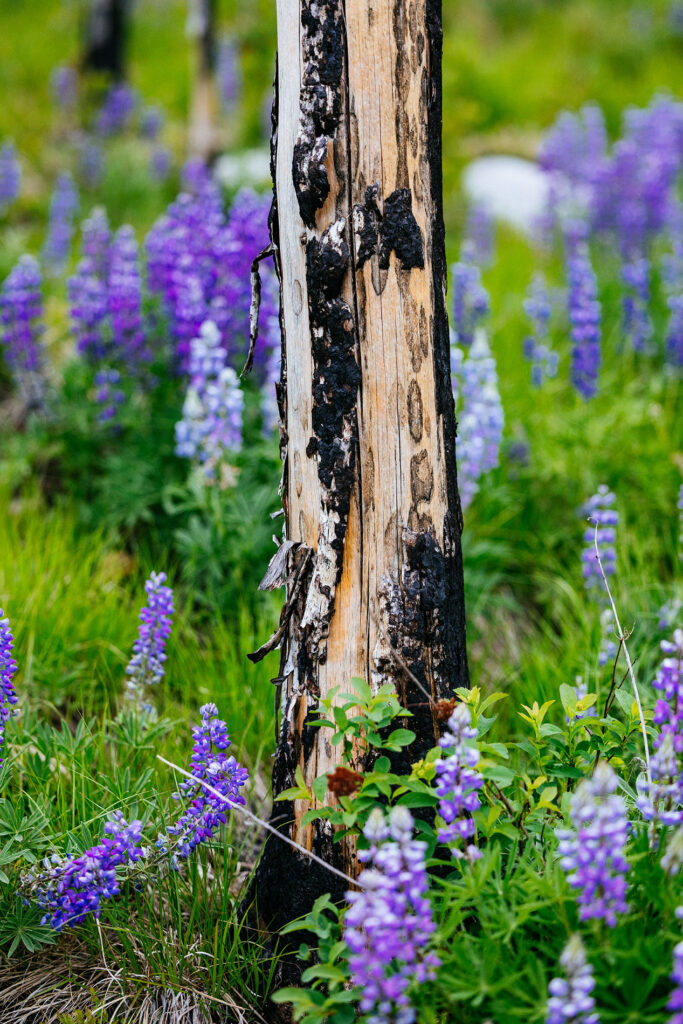
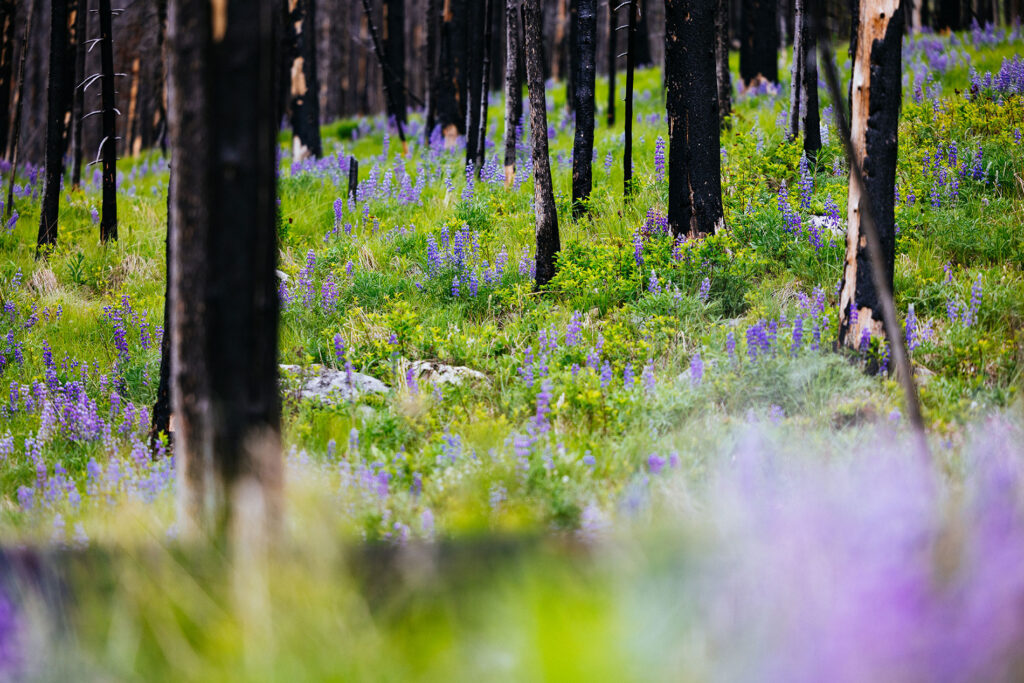
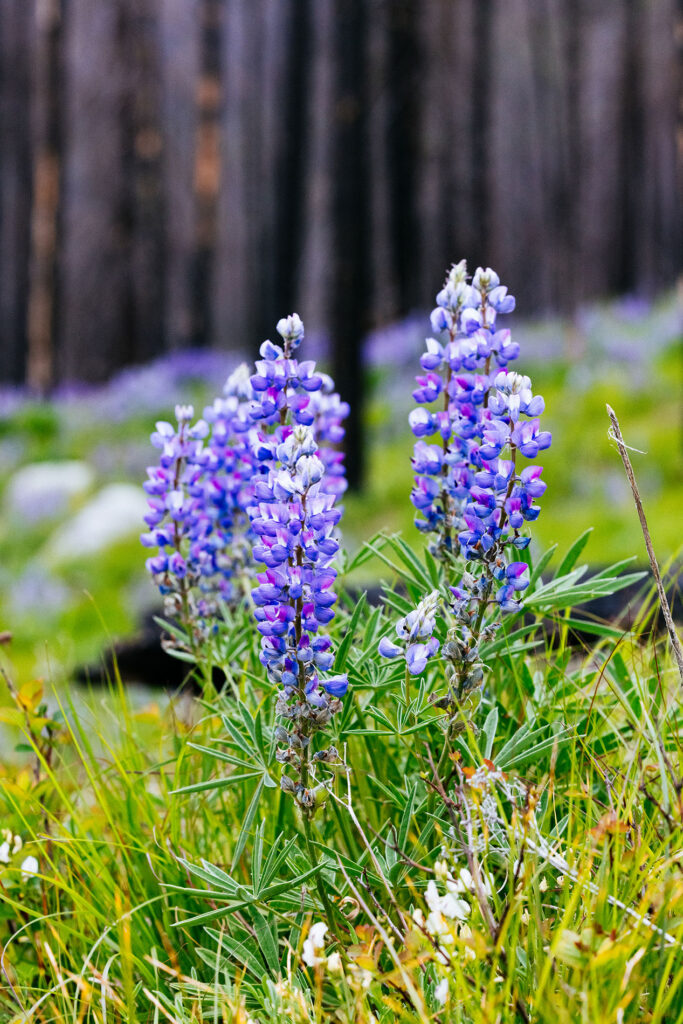
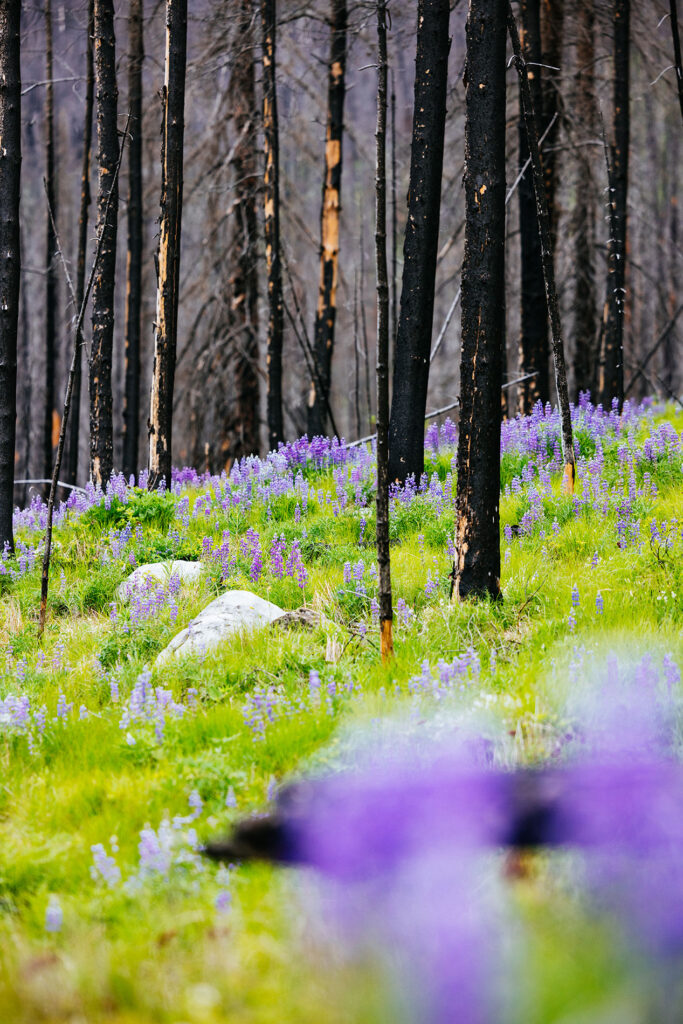
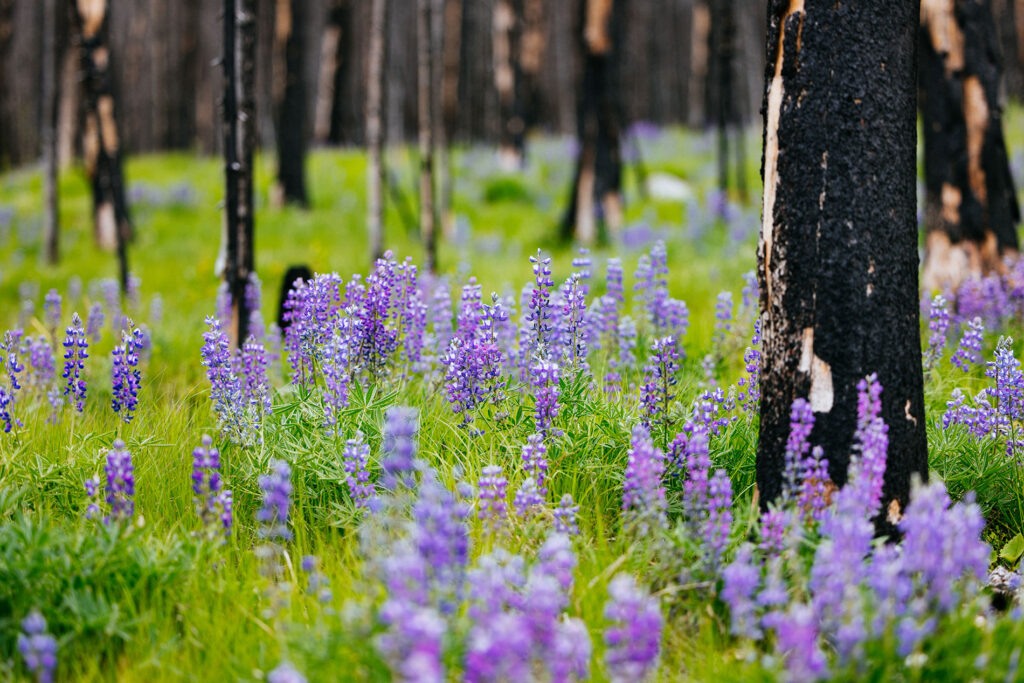
I first noticed lupine in spring of 2023 (second spring post burn). I’m not sure if it would already have been there the first spring, but I wanted to make sure I documented it.
May 2025
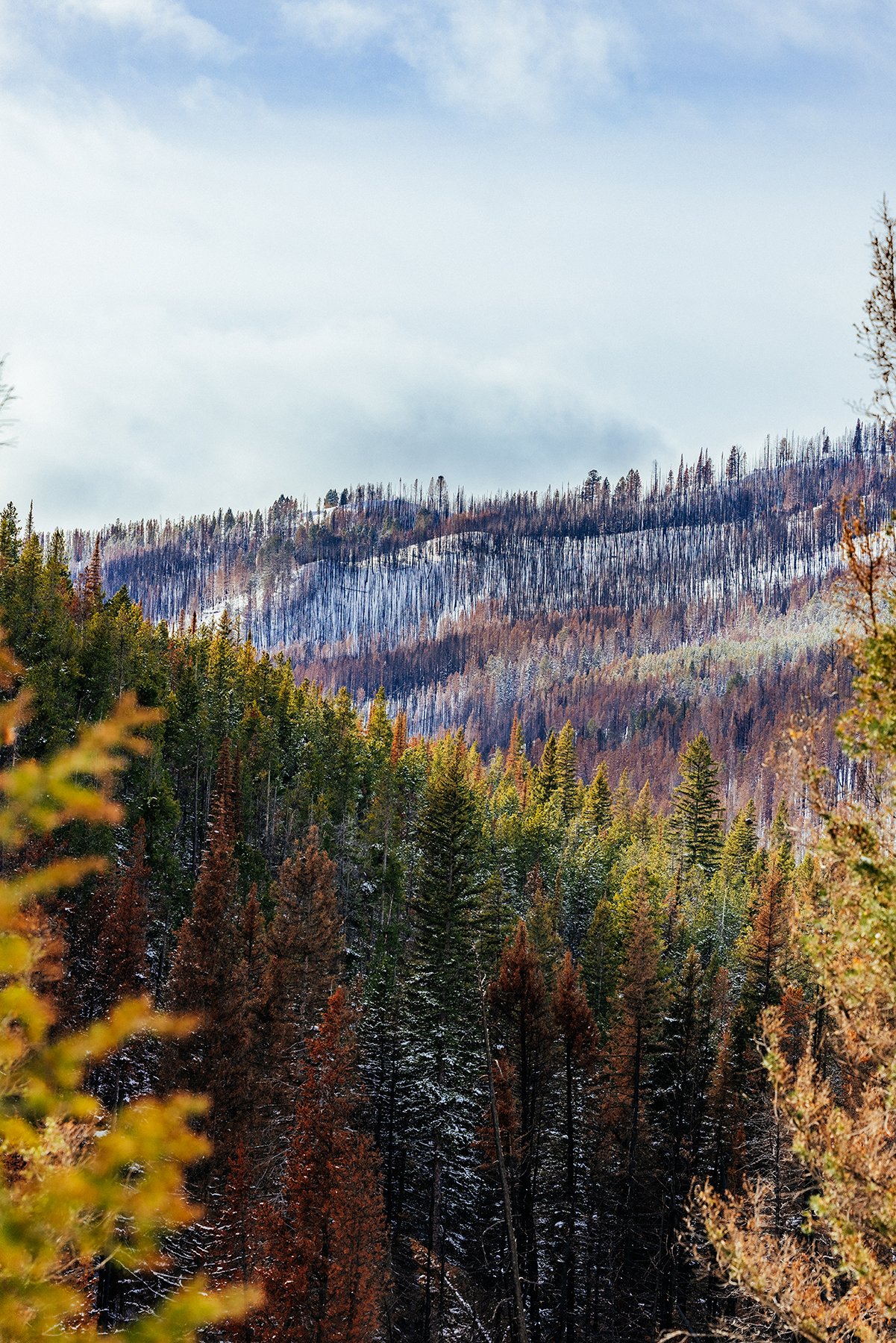
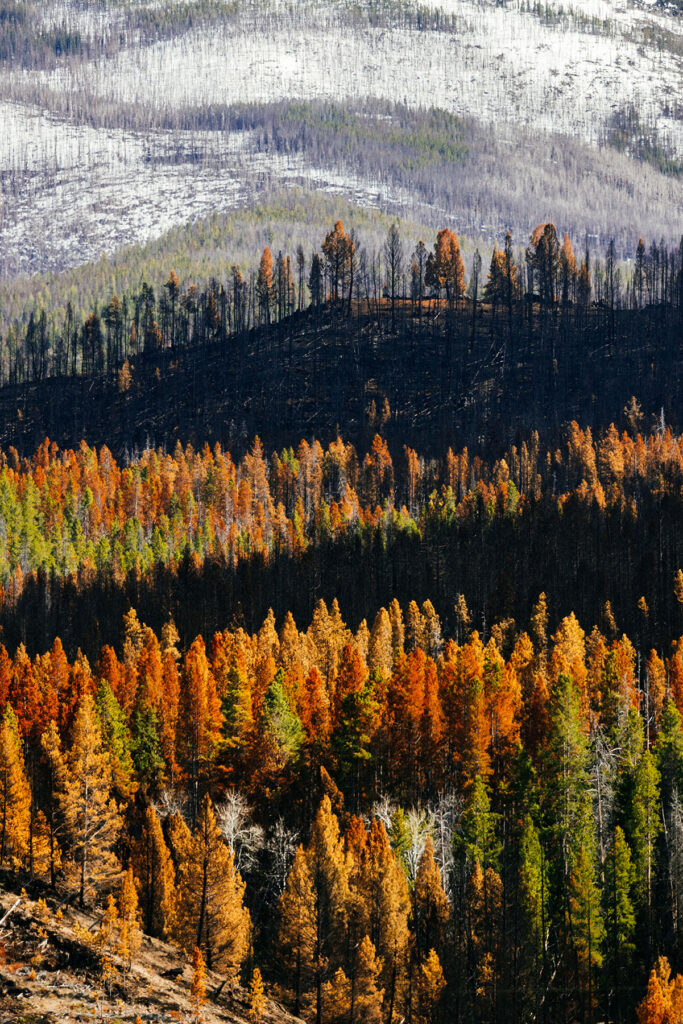
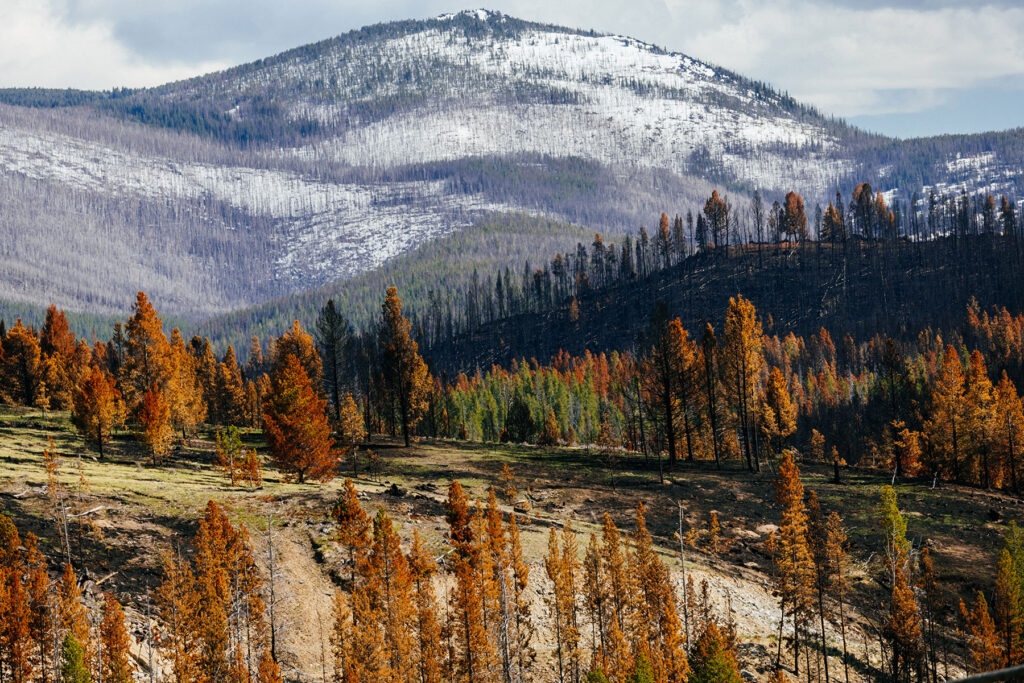
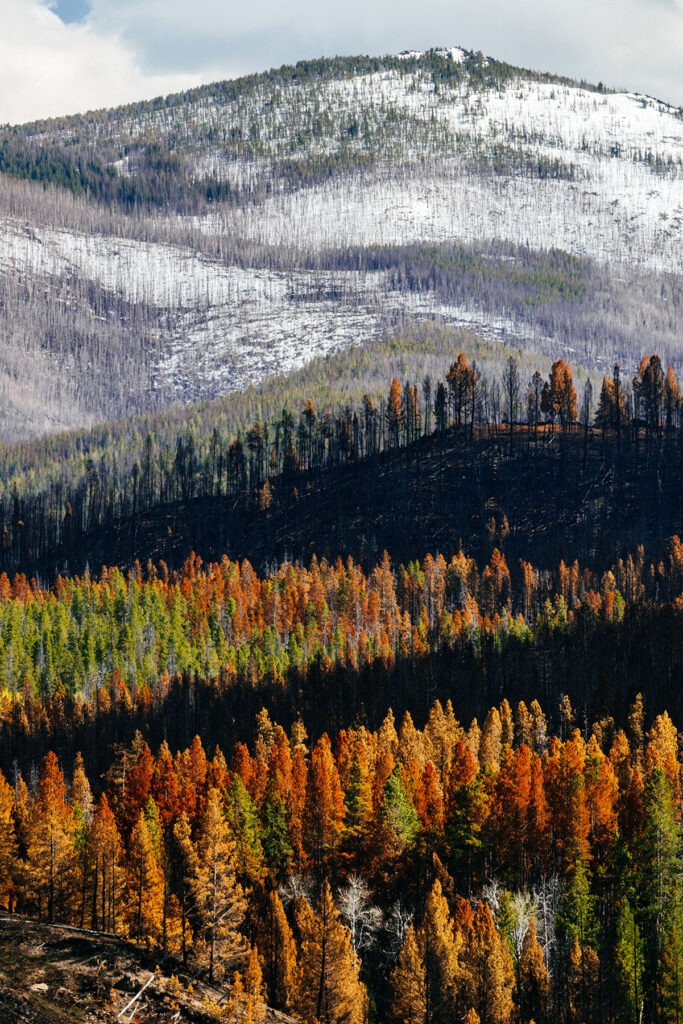
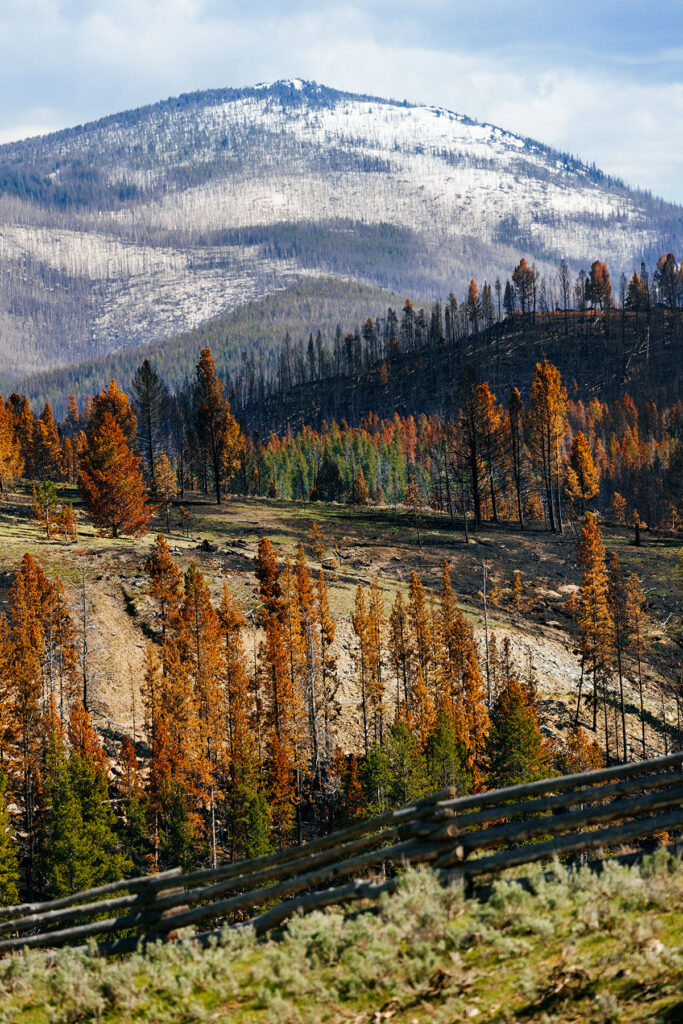
Two burns in one frame: Alder Creek (2021) in the distance, Sawlog Fire (2025) in the foreground. Different years, same hillside. Layers of time visible in one view.
August 2024
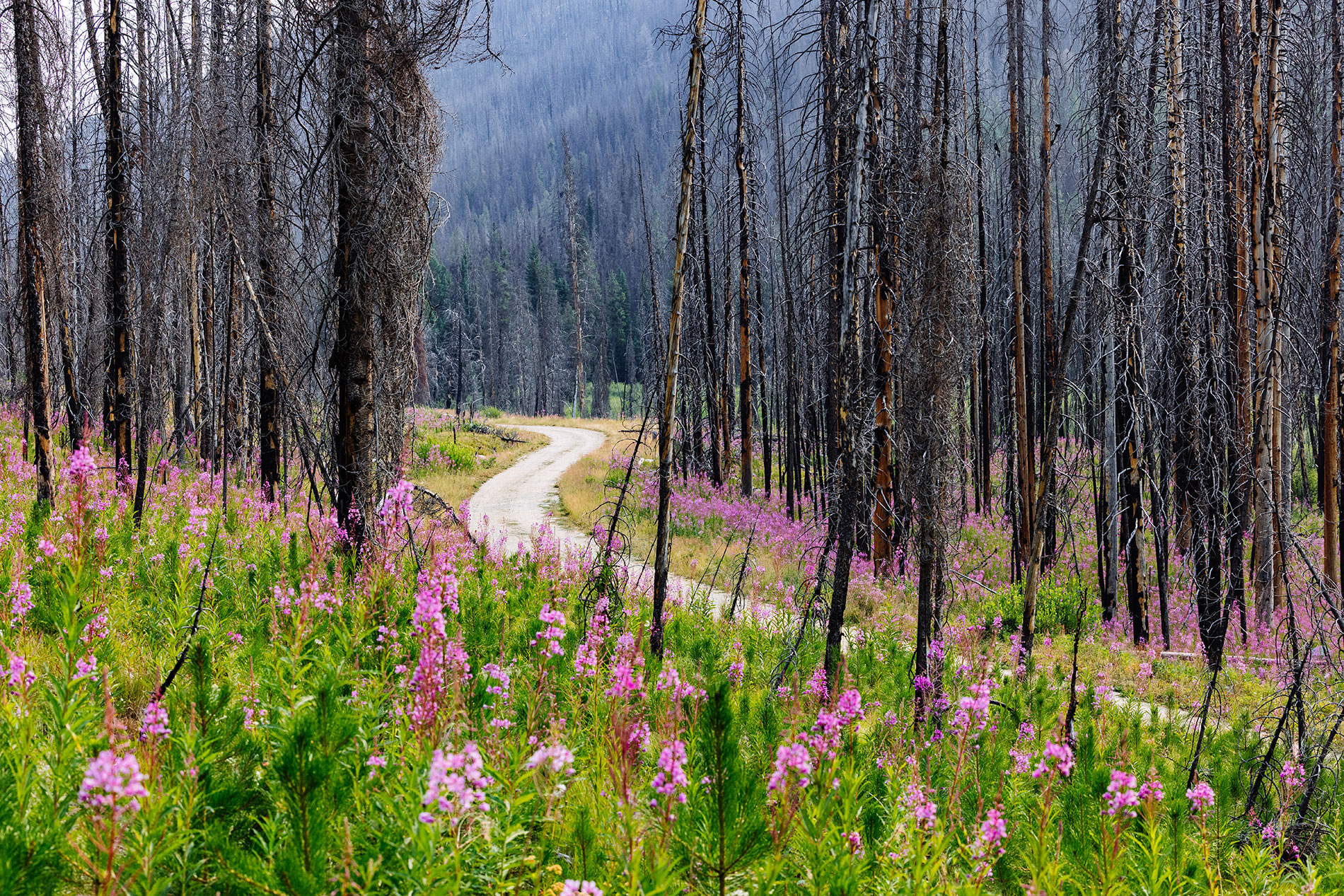
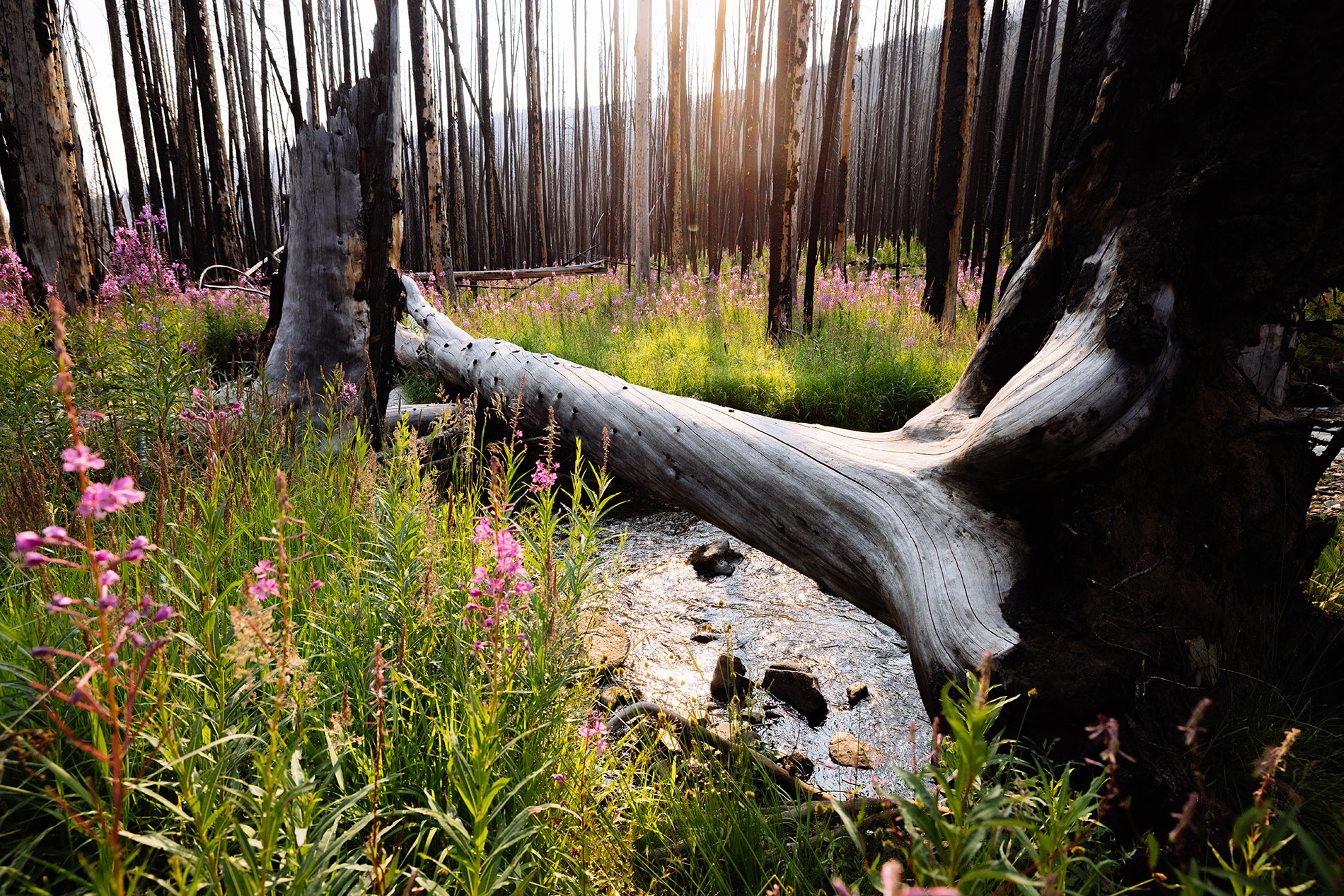
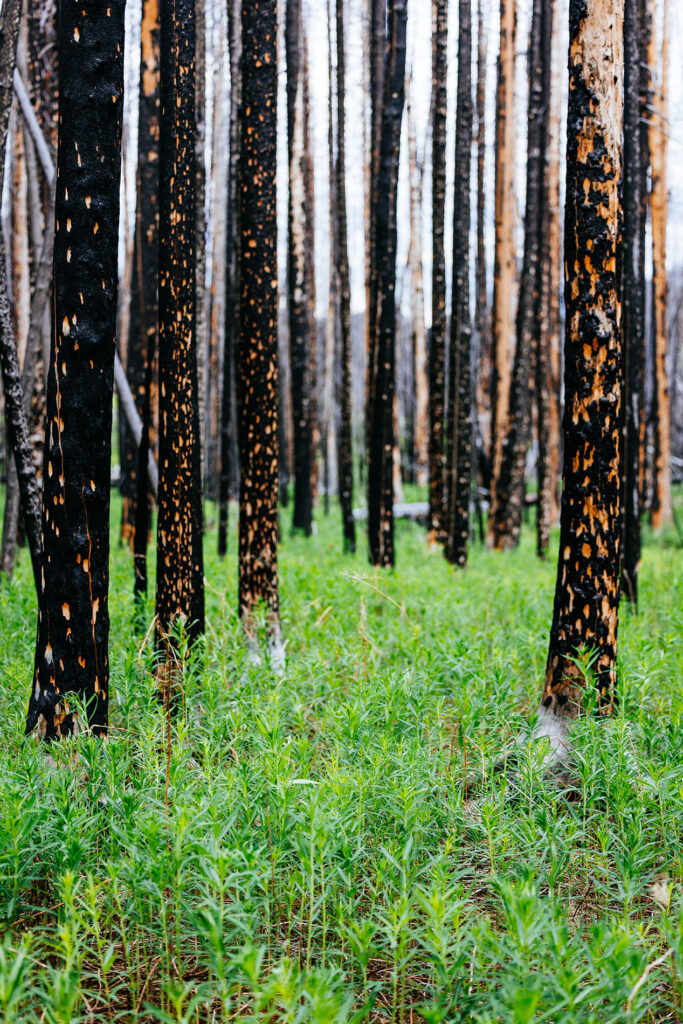
Fireweed is one of the first plants to return after wildfire. Fireweed is a pioneer species that prepares the ground for what follows. By summer 2024, it had taken over the burn in force.


Late May 2023
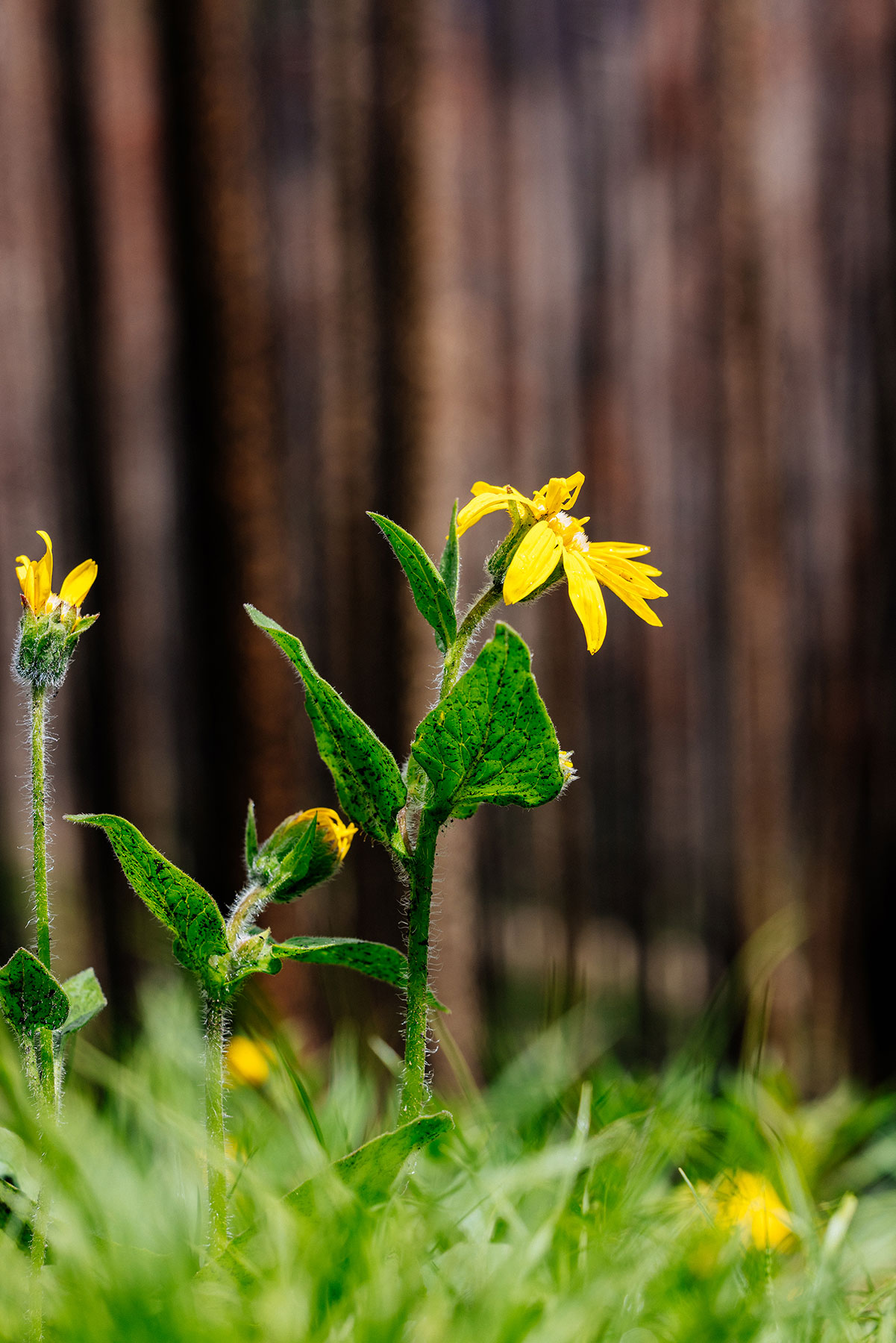
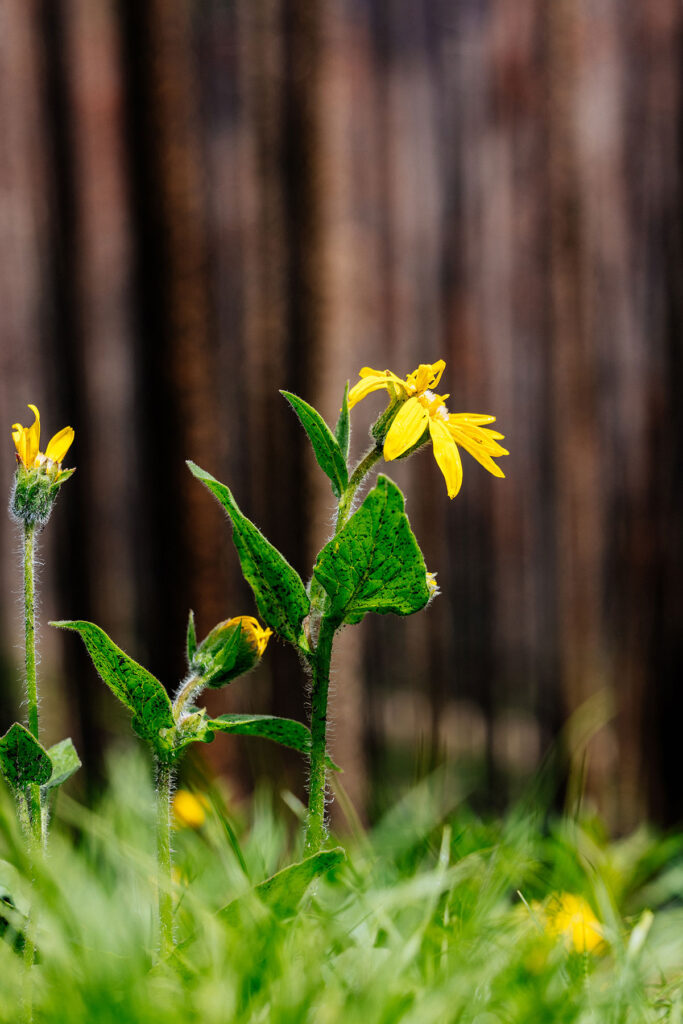
Later that spring, I returned to find an abundance of arnica and a few lupine starting to return. The arnica blossomed first and covered the floor in bright yellow. Ash was still on the arnica flowers left from bursting through the charred remains.


Early May 2023
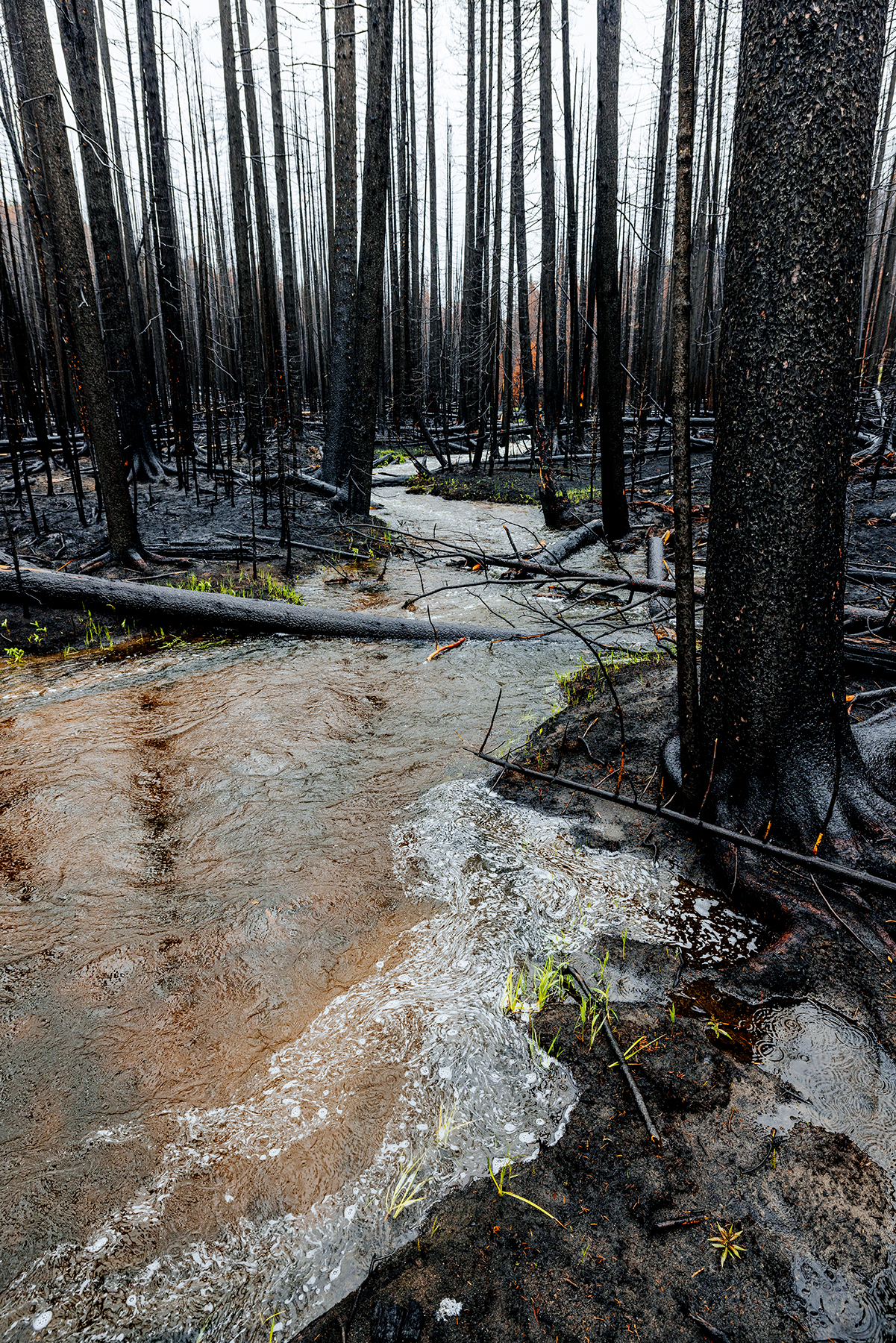
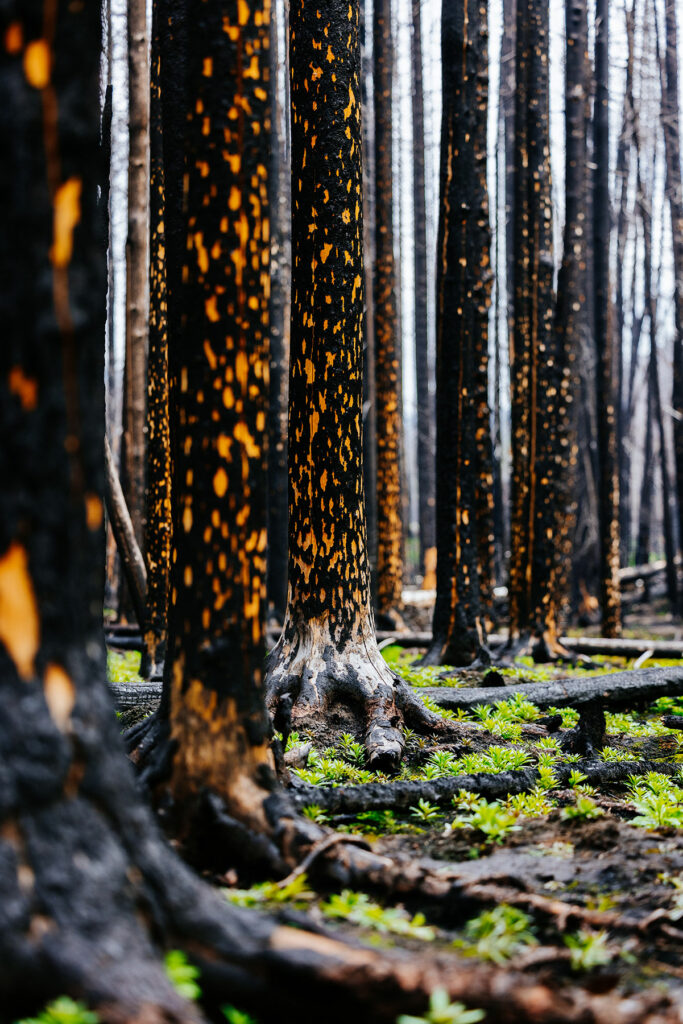
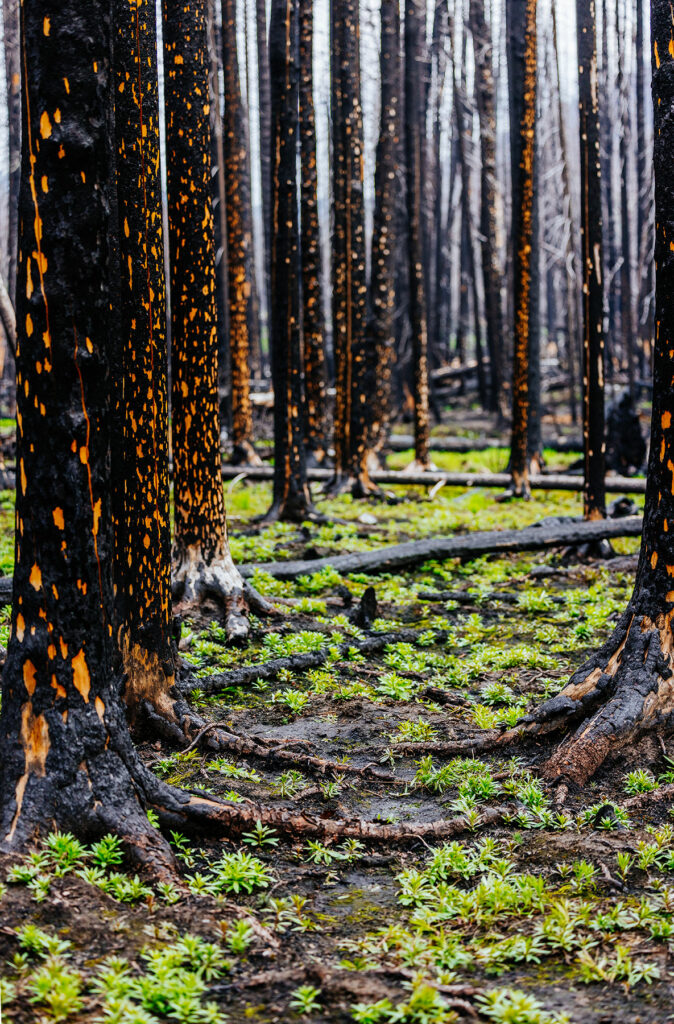
This second spring, more evidence of new growth is seen compared to the first. The combination of seeing the entwined charred roots with new growth sprouting around them tells its own tale of resilience. I was still captivated by the burnt texture and speckled patterns.
December 2023
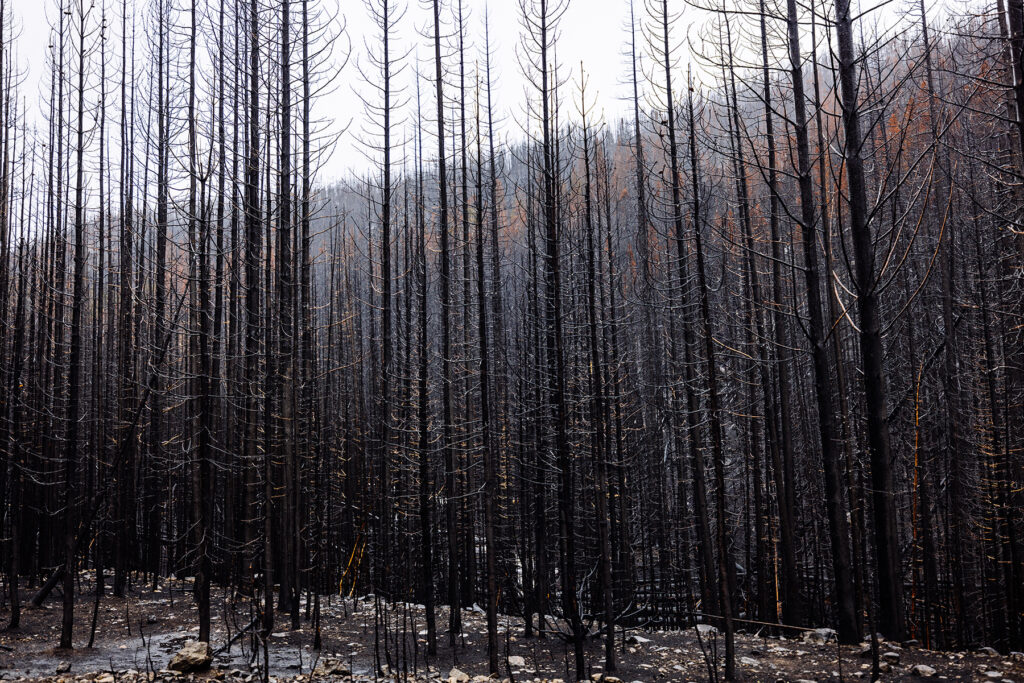
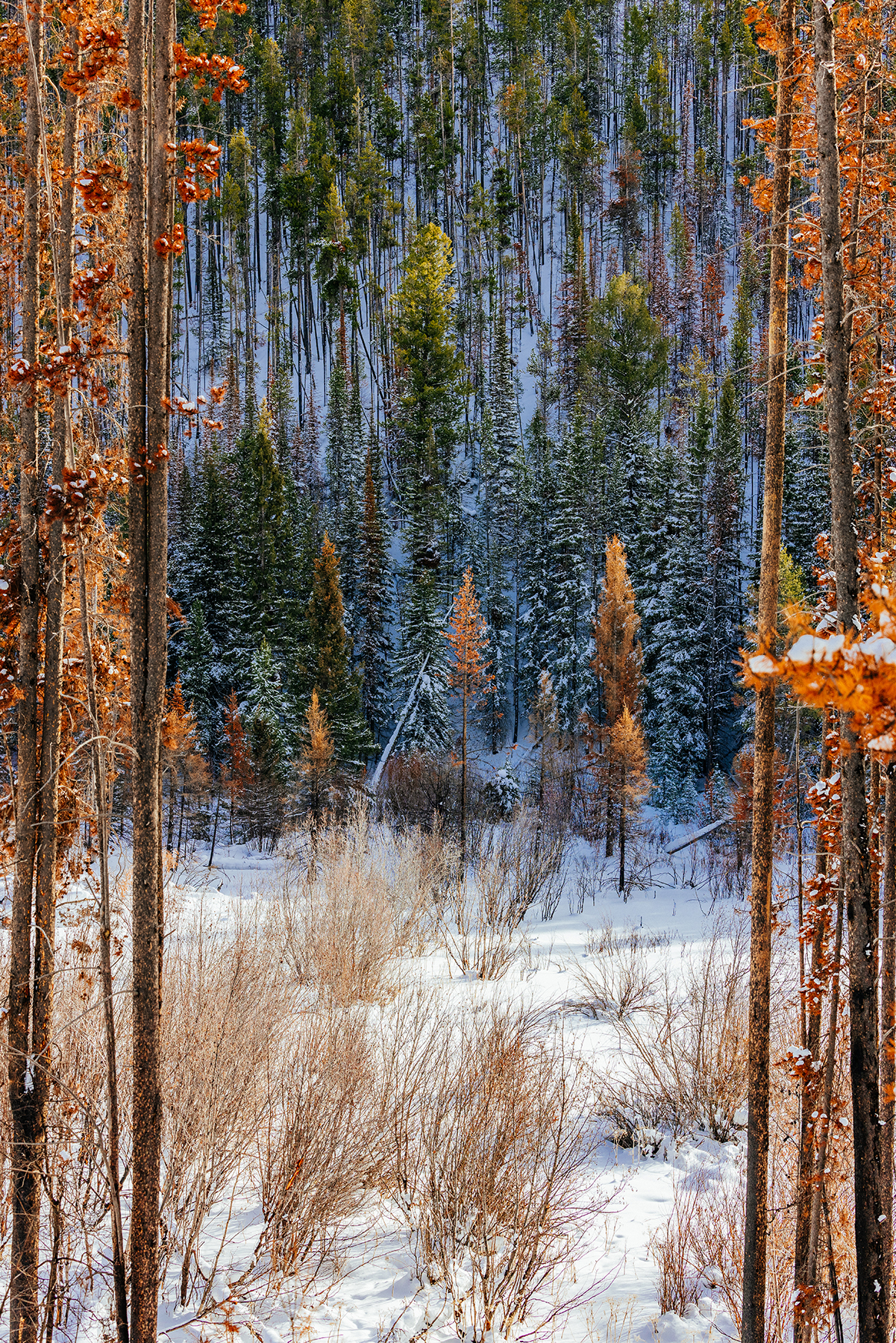
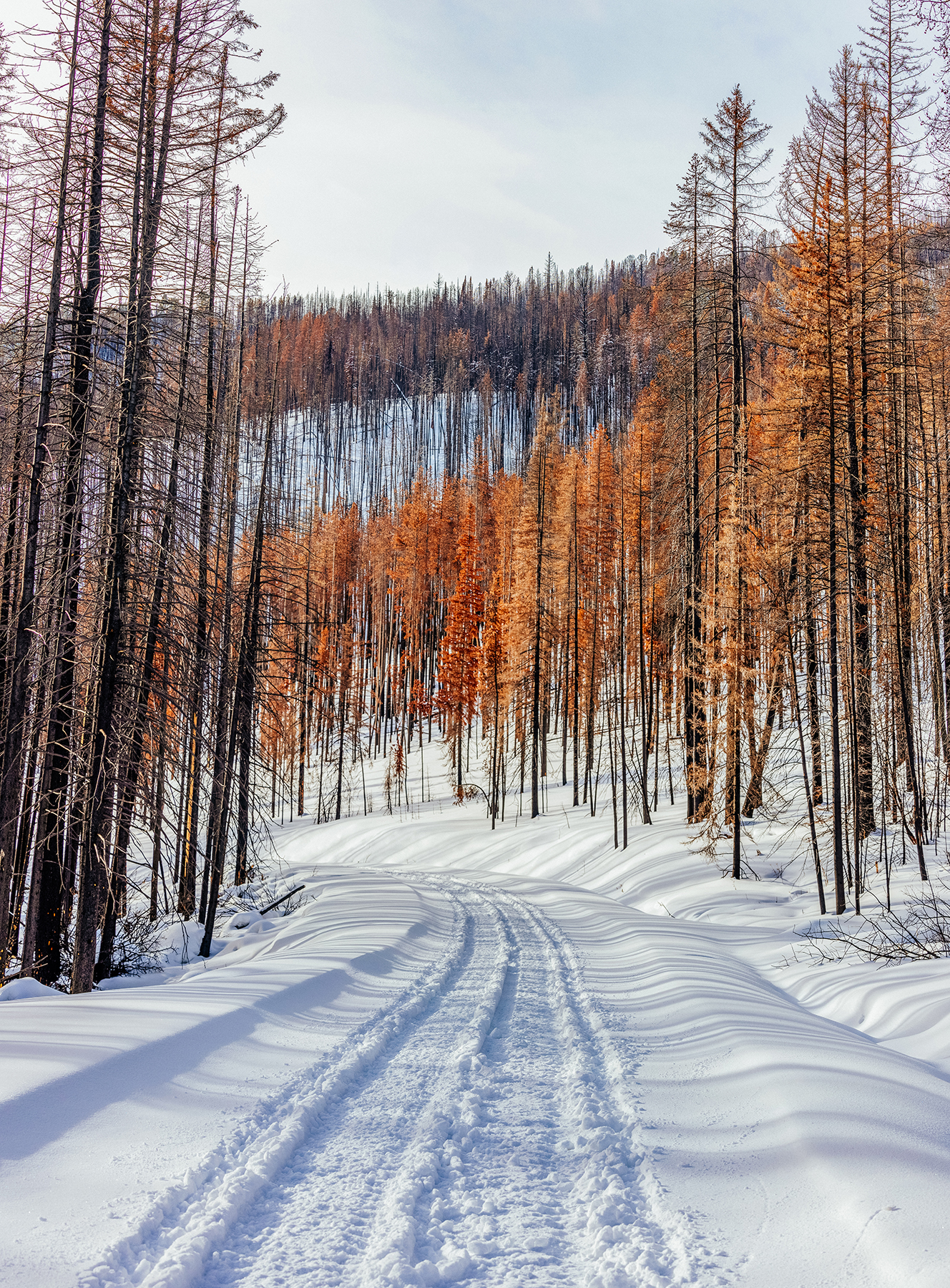
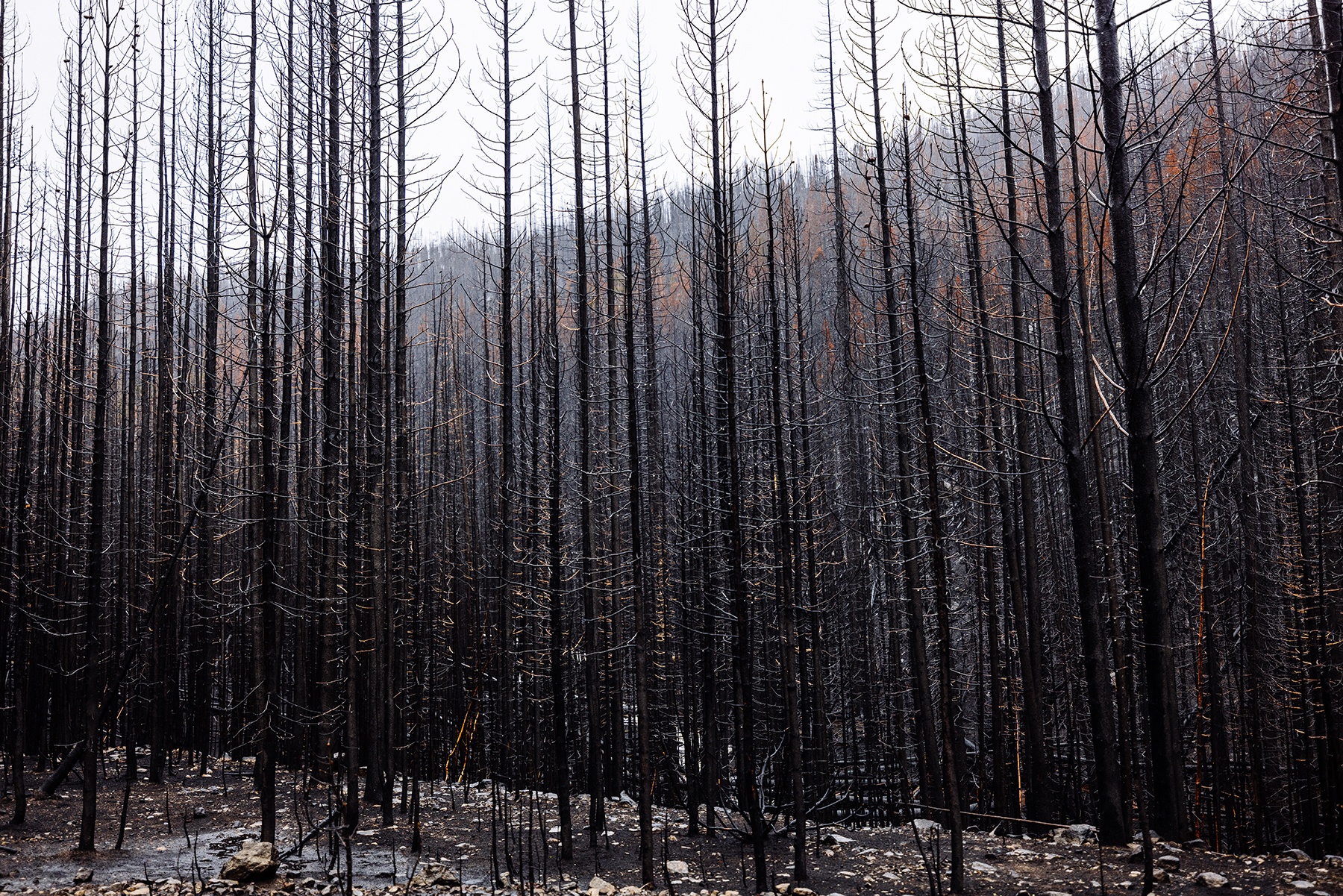
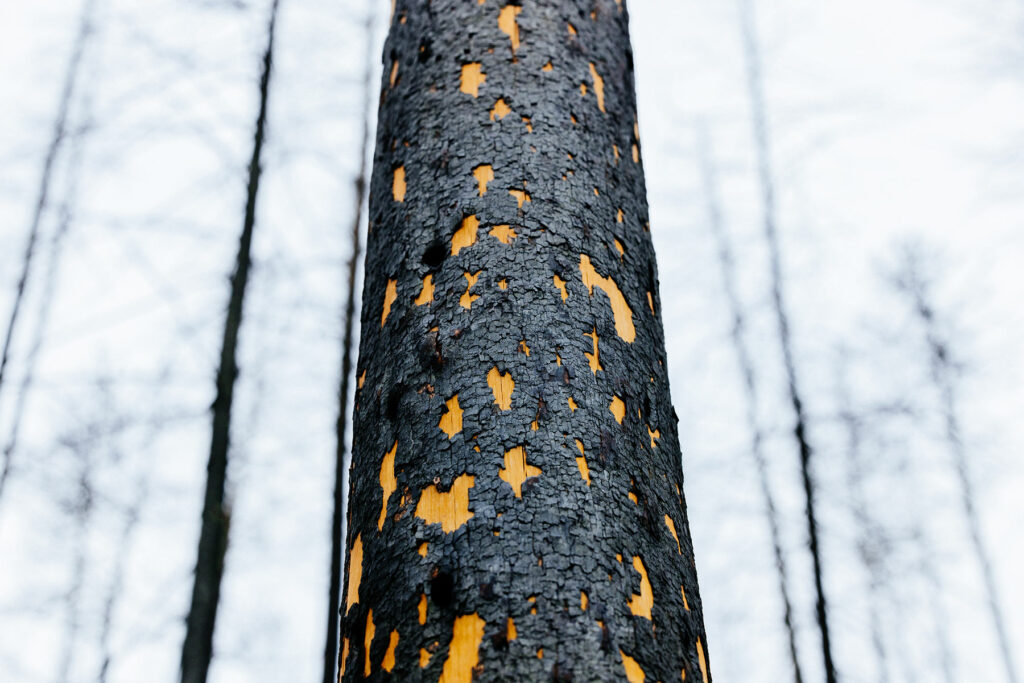
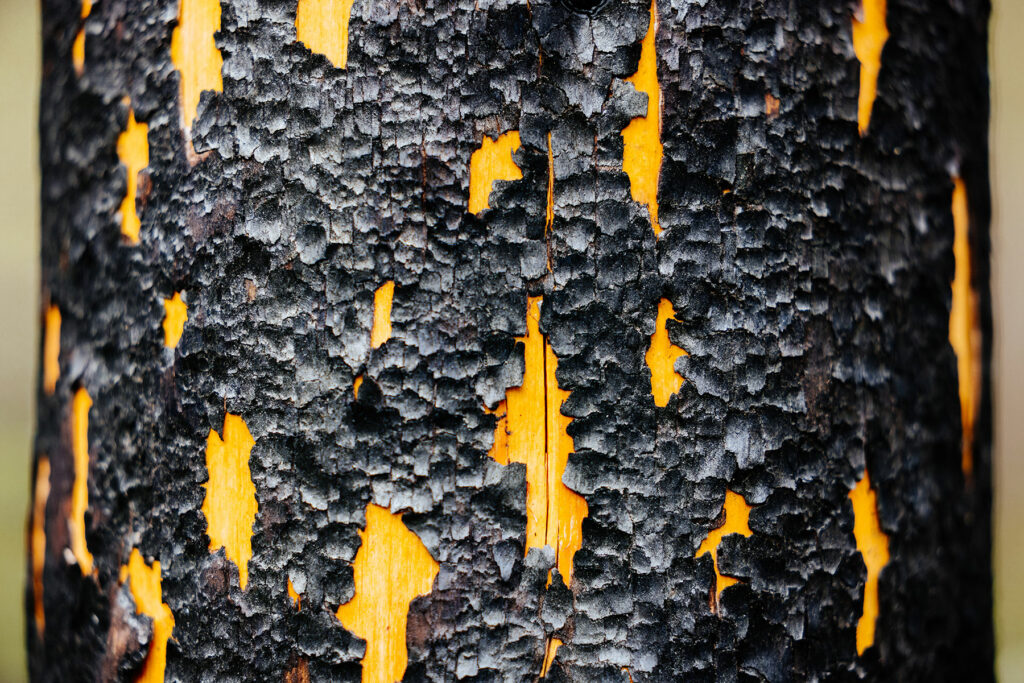
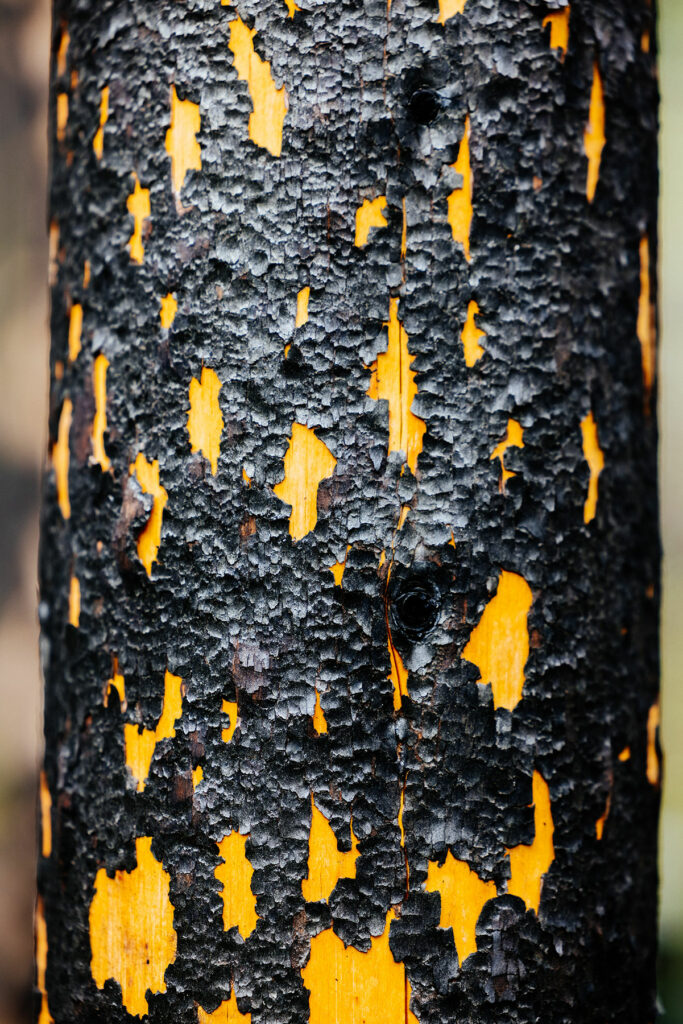
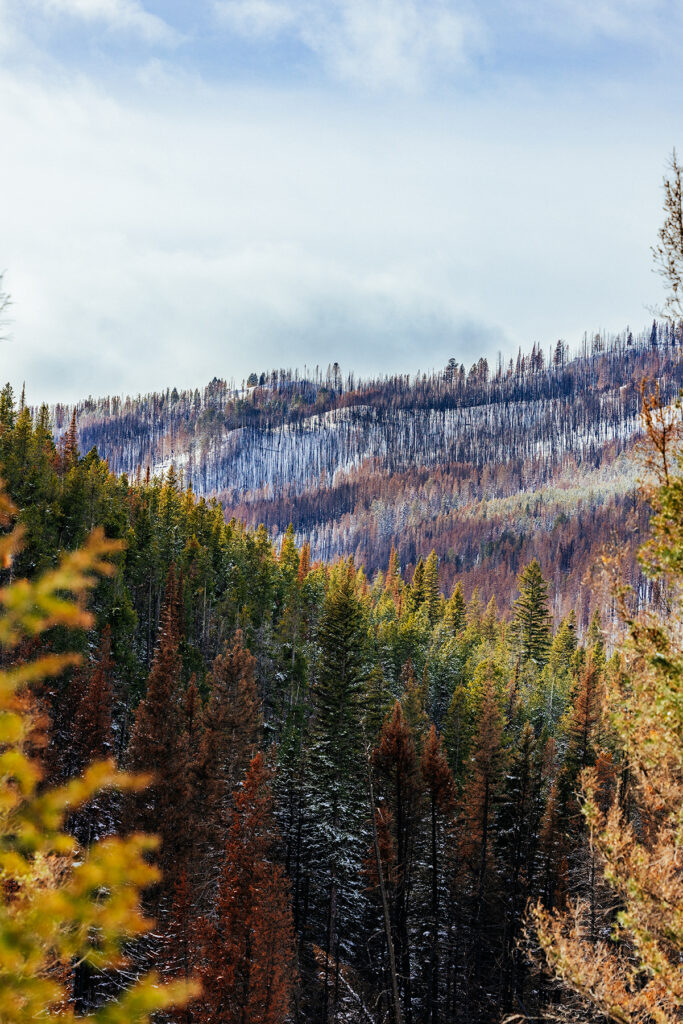
The contrast we saw in spring inspired a revisit in winter when the landscape is mostly black and white due to winter conditions. The variety of colors between light dispersion, bright yellow light hitting the burn areas, and blue shadowy light cast a surreal experience.


June 2022
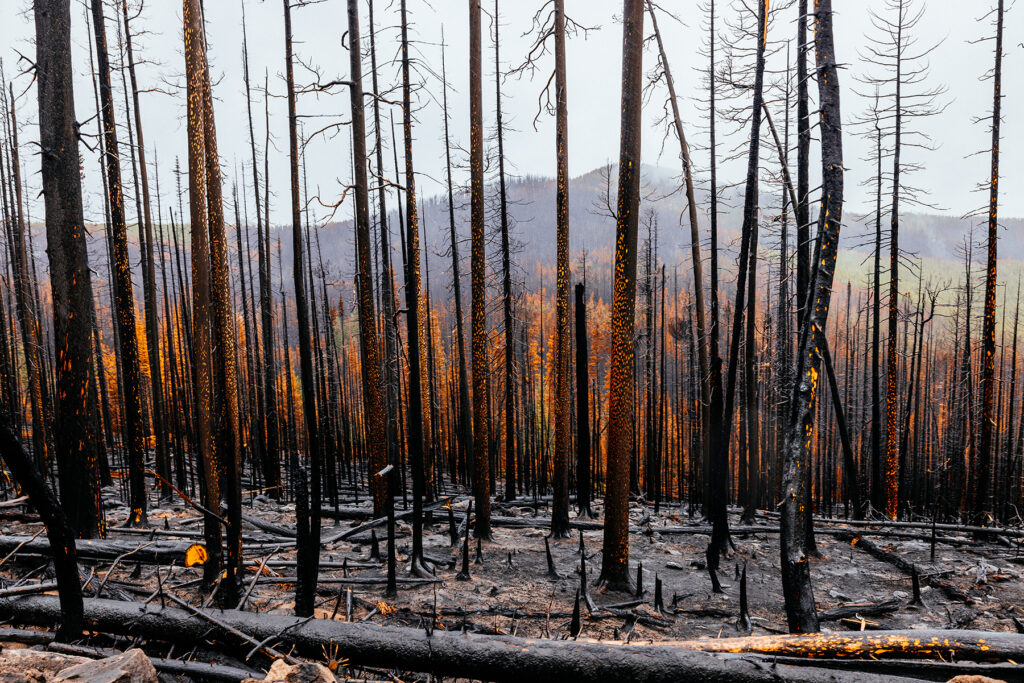
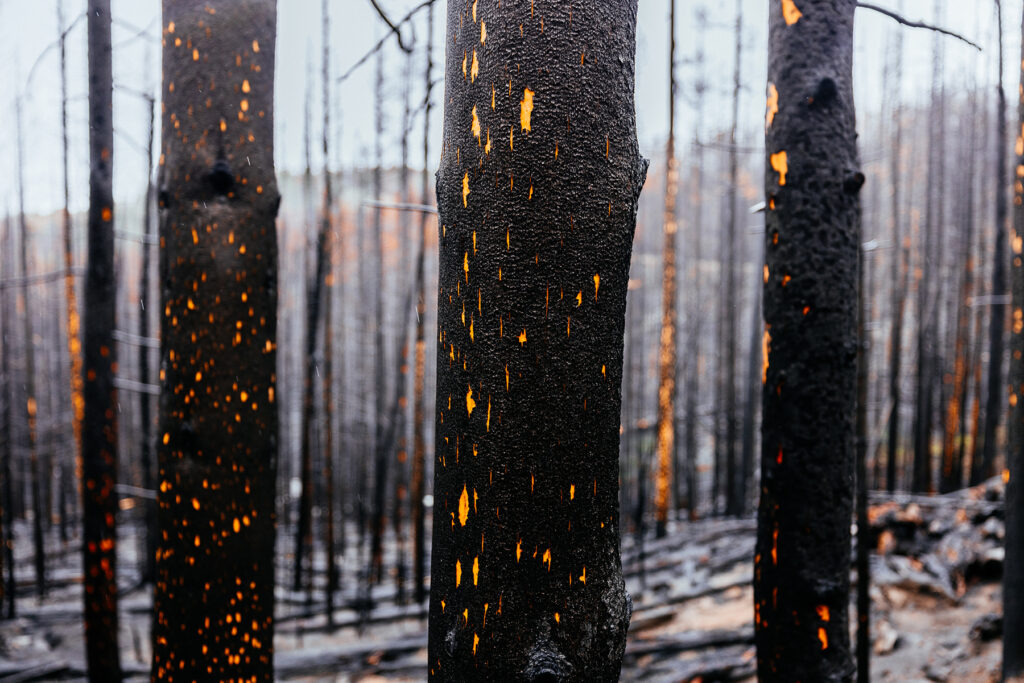
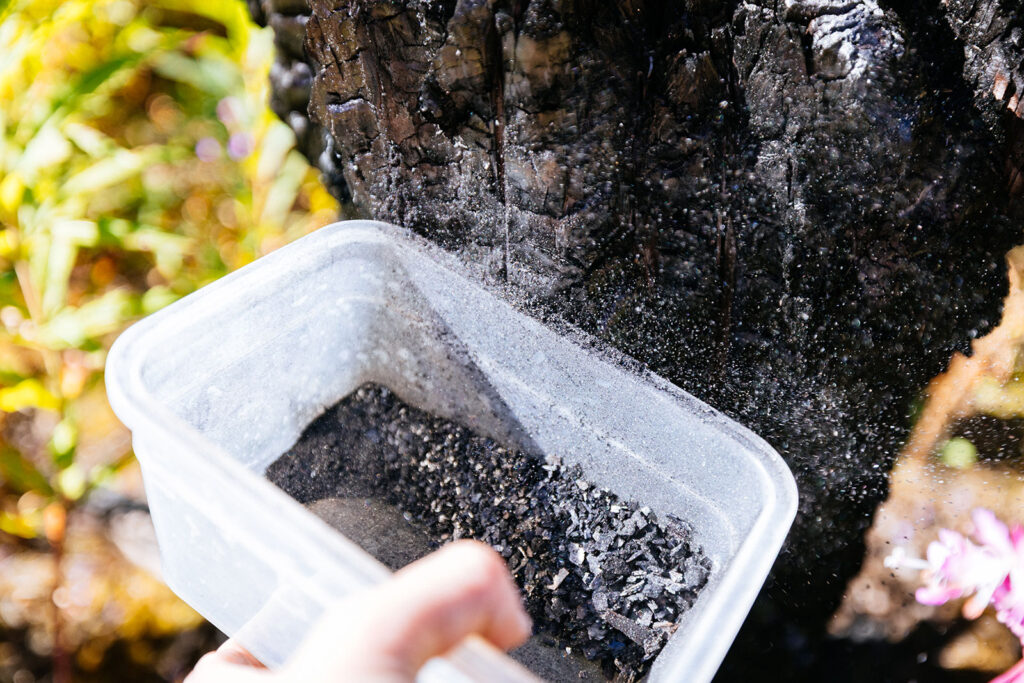
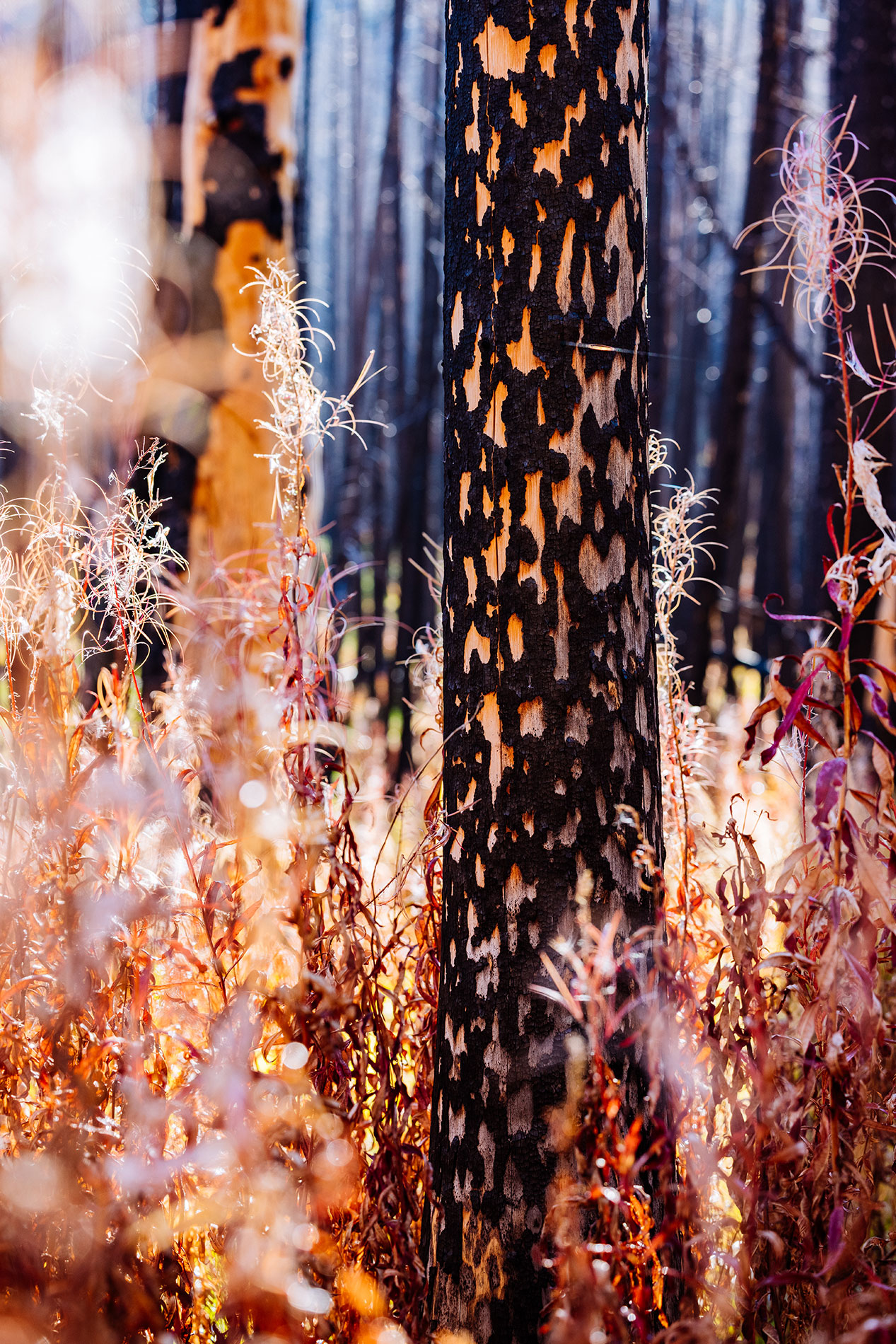
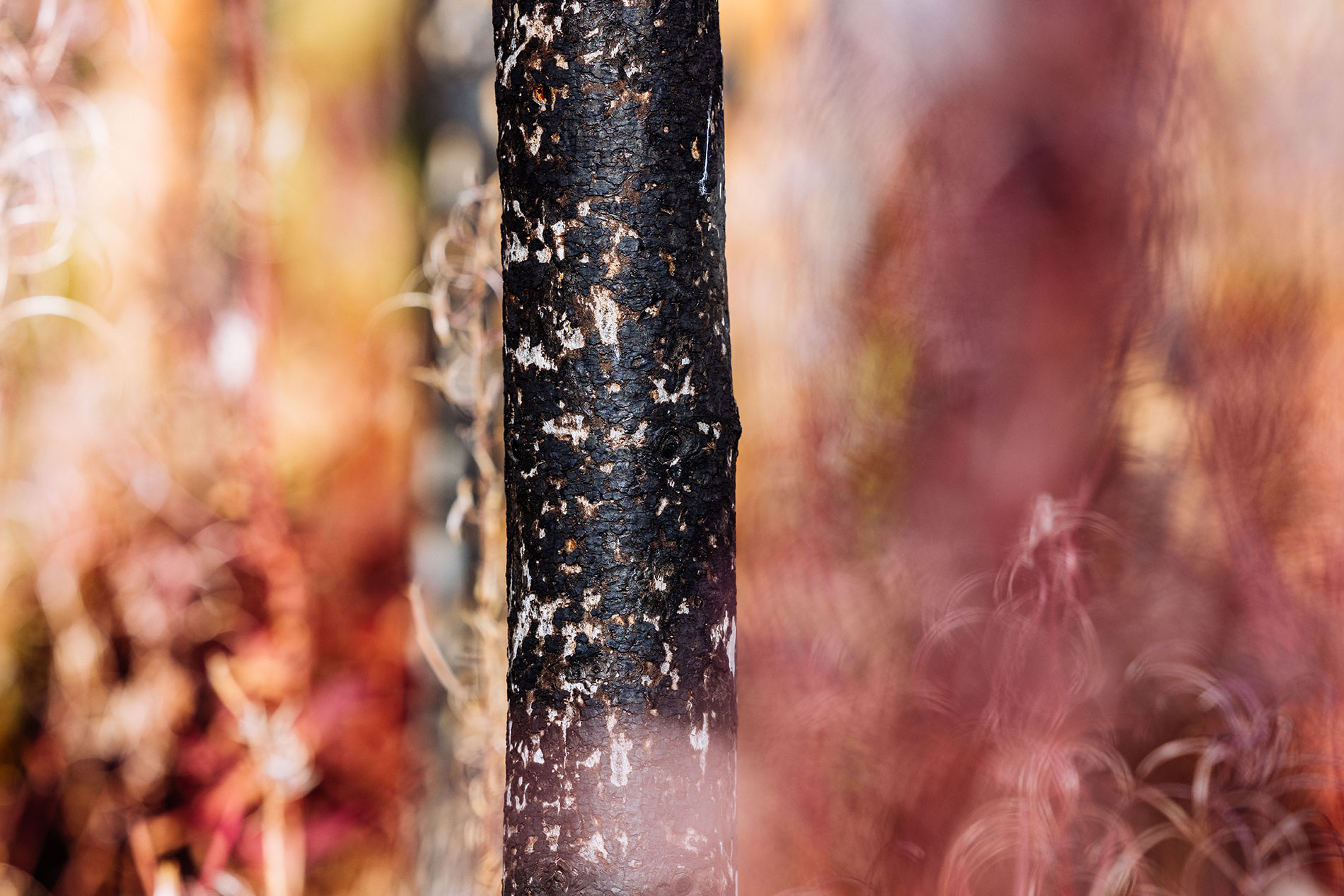
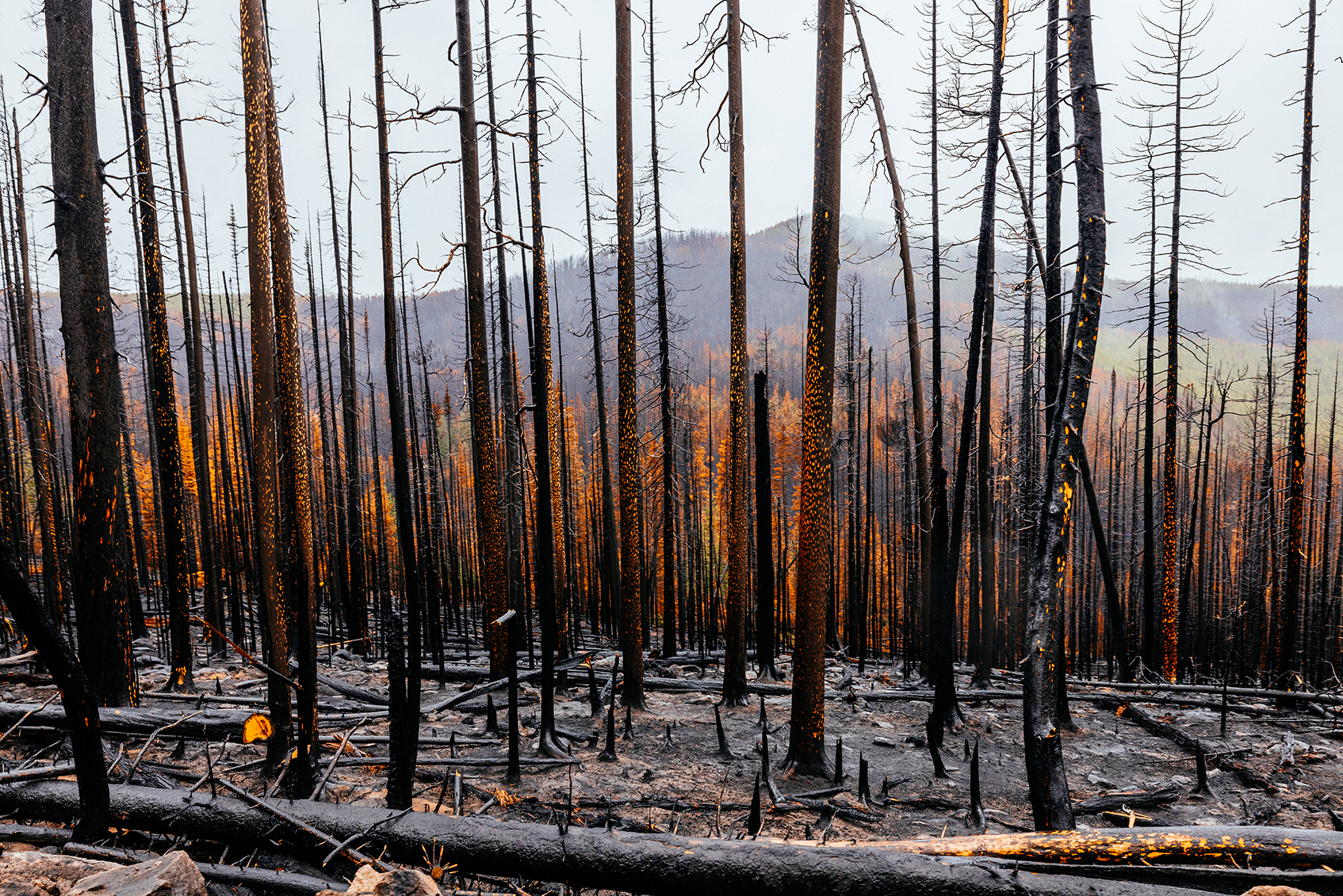
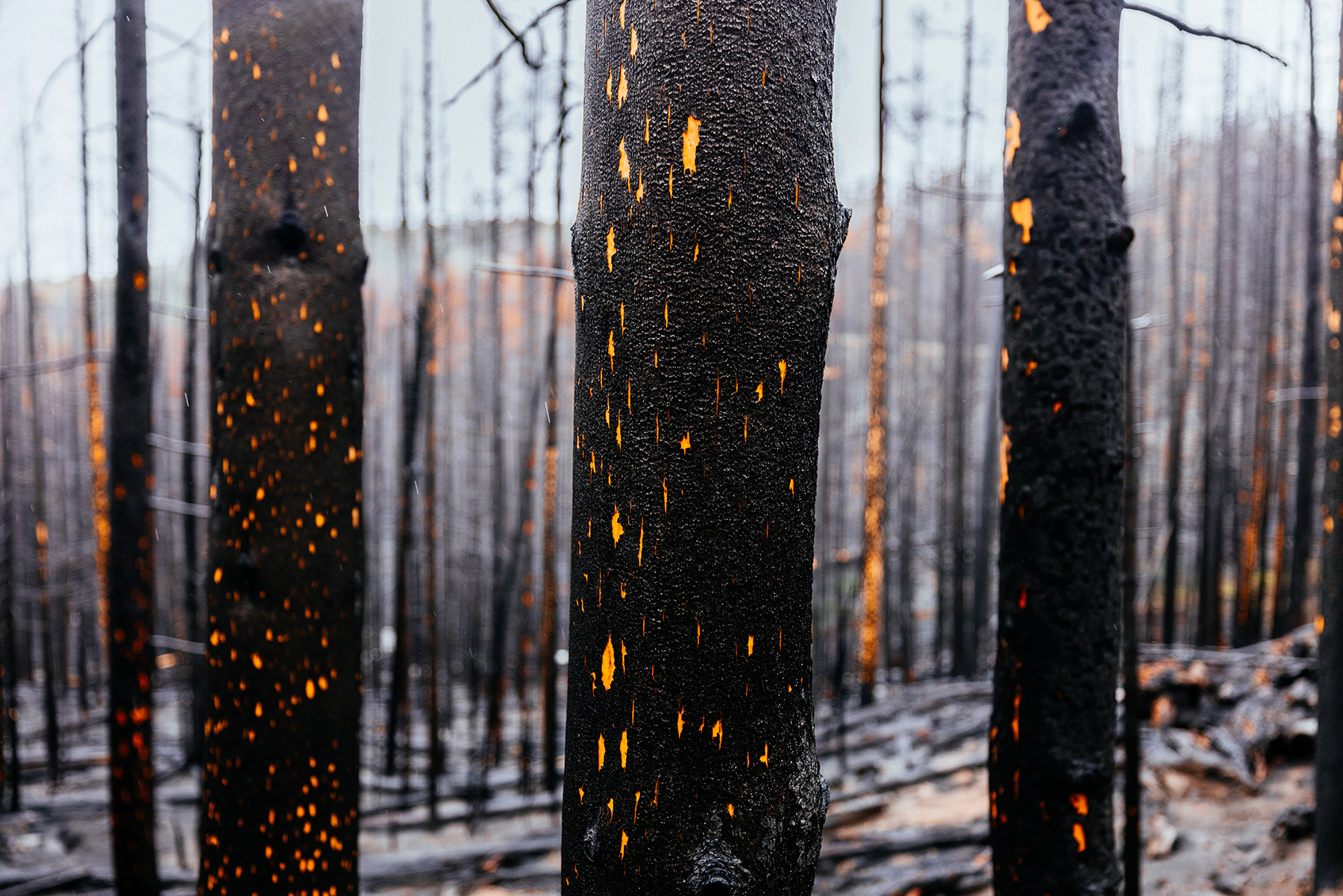
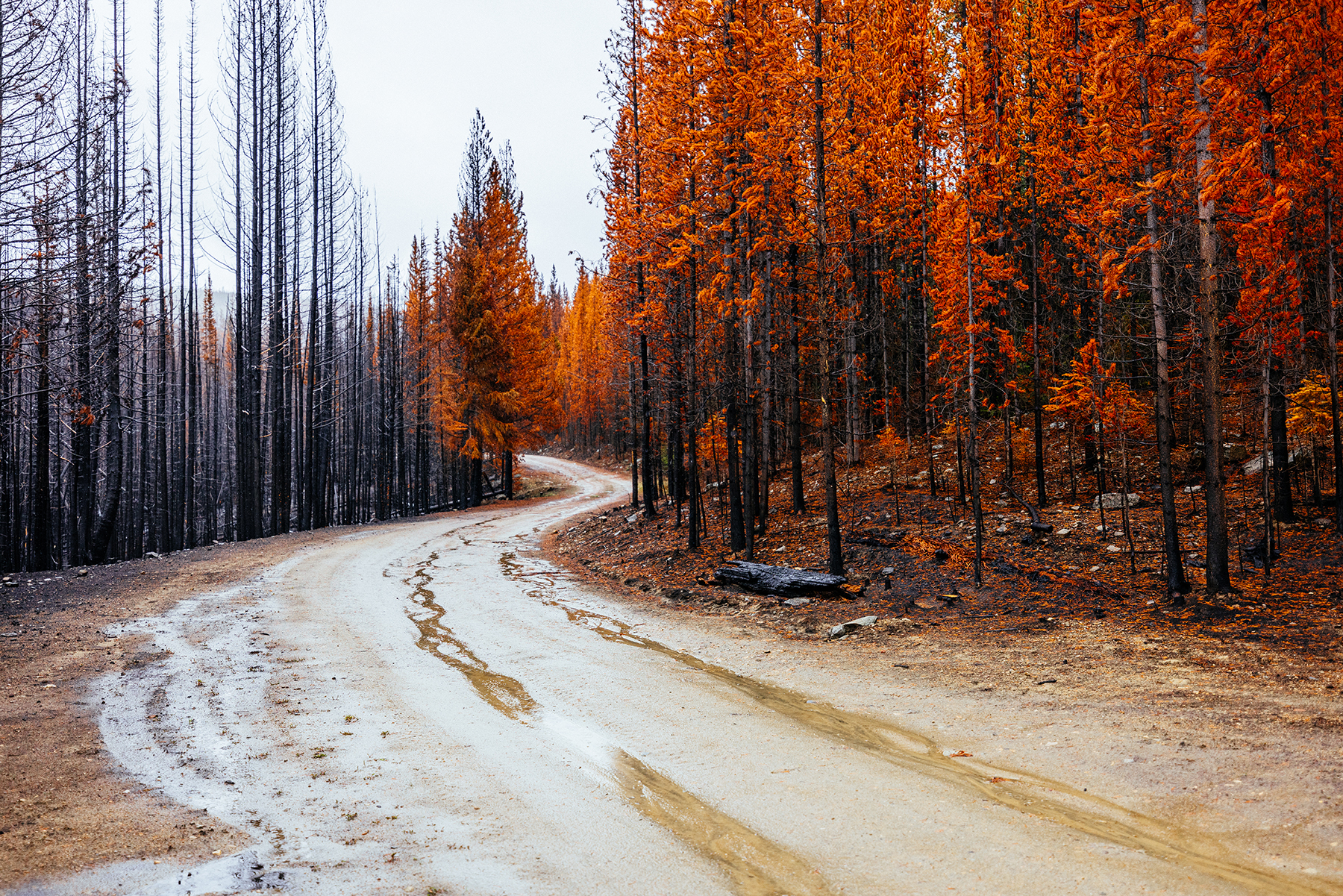
The first visit was spent observing the contrast in color and light. The burnt bark pattern in the trees reminded me of freckles. Some branches had a gold metallic appearance, reflecting the soft, diffused light.